
Post Category : Archaeonerdism Uncategorized
Archaeology in Pop Culture

By Fallon Hardie on January 28, 2026
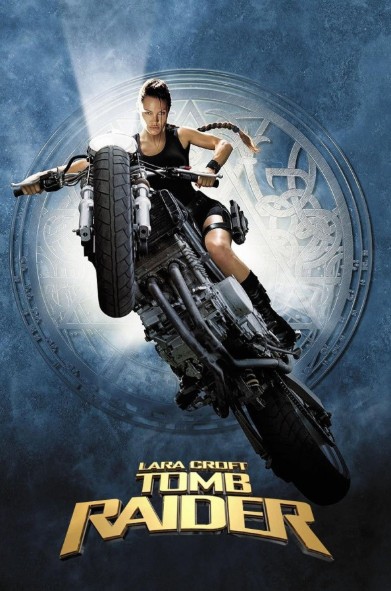
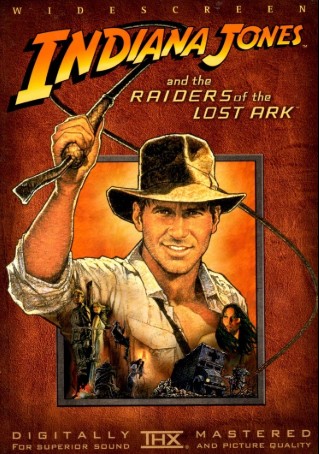
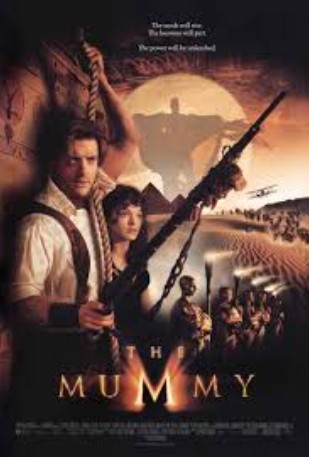
Anyone whose a bit of a movie buff is well-aware of the strong archaeological influence in the Action-Adventure genre. Formative classics like Indiana Jones, The Mummy, and Tomb Raider, for instance, all feature heavy archaeological influences — but not exactly positive ones. Sure, everyone’s beloved Indy battles Nazi’s, Lara Croft is a strong female icon, and Rick O’Connell exemplifies heroism (seems positive enough). However, the glorification of khaki-clad Western heroes, who embody a smash-and-grab mentality in their quest for treasure, continues to reinforce a colonial mindset (that’s super negative).
The Moral Dilemma
Don’t get me wrong, there’s no shame in enjoying a film for what it is! One could easily contend that Indiana Jones significantly heightened public interest in archaeology, while Lara Croft likely motivated many young women to pursue careers in the field. Regardless, it’s clear that without a proper balance of fact and fiction, the content we consume significantly influences who we are. Archaeological adventures often showcase appealing, educated, upper-class European or North American heroes who descend upon ancient sites in search of treasure. Their motivations often stem from factors such as birthright, the desire for revenge, or the pursuit of fame. This portrayal inherently implies elitist, ableist, and racist narratives from the outset.
Suzanne Pilaar Birch, a University of Georgia anthropologist, is similarly critical of the archaeological adventure genre. “It’s part of the colonialist tradition that reinforces the white heteropatriarchy, if you want to use jargon,” she said. Still, the genre’s enduring popularity doesn’t surprise her. “Maybe that’s the most realistic thing about the movie,” she pointed out. “Archaeology is still a very white discipline, and field archaeology is still very male.” – The Casual Colonialism of Lara Croft and Indiana Jones, by Daniel A. Gross (2018).
This topic has been thoroughly examined by scholars over the years, with each offering insightful analyses related to the continuation of a colonial mindset. In other words, this issue is not new. However, various barriers prevent the general public from enriching their media consumption with research studies, including privilege, paywalls, academic jargon, and the often-overlooked effort required to consume and comprehend scholarly articles. Moreover, films tend to be a more accessible and less mentally demanding medium for audiences to engage with.
The Root of the Problem
The problem lies in the fact that action-adventure films frequently fail to dedicate the time and resources required to genuinely engage with and collaborate alongside the cultures that inspire their narratives. In these tales, artifacts are often depicted solely in monetary terms, existing merely as items to be acquired and sold. In the context of the film’s narrative, the heroes’ actions certainly surpass the villains’ intentions. Which, to the average viewer, justifies the colonialist mindset.
Not only is it concerning for the public to view the world through a colonial lens, but it also obstructs the advancement of archaeology. The romanticized action-adventure stereotype surrounding archaeology has been glorified to such a degree that the true nature of the field remains largely unknown. As Ben Marwick states (2010, p.395), “the damage of the unrealistic tropes associated with these professions in film is mitigated by the public’s personal experience of these professionals at work.” In essence, the key to transforming the public’s perception lies in actively engaging them in our work. As a result, the media serves as a vital communicator of our efforts.
Old Truths are Giving Way to New Attitudes
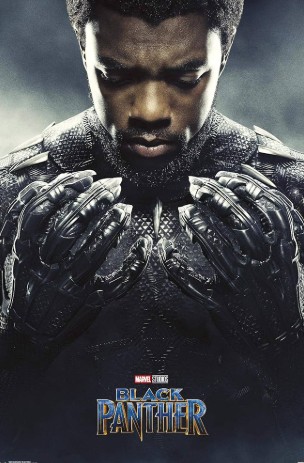
Contemporary creators such as Ryan Coogler (Black Panther, 2018; Black Panther: Wakanda Forever, 2022) are tackling problematic narratives and bringing in essential diversity. As George Faithful states (2018, p.3), “Black Panther depicts black characters with their own narratives, trials, flaws, conflicts, and opportunities for growth. Empowered, dignified, and unvictimized—with one notable exception—they situate the film in stark contrast to its cinematic predecessors.“
[…] ongoing debates about representation, repatriation, and cultural appropriation — all cannily encapsulated in Killmonger’s memorable visit to the Museum of Great Britain in Black Panther — affirm that a great deal of work is still needed to make our museums truly welcoming and diverse. Besides, as Princess Shuri puts it: “Just because something works doesn’t mean it can’t be improved.” – What Black Panther Gets Right About the Politics of Museums, by Life Ragbir (2018).
Acknowledgement of the complexities and limitations of real life archaeology could transform the action-adventure genre into a compelling instrument for critique. In doing so, it has the capacity to question, rather than glorify, the archetype of the white Western archaeologist-adventurer. Ultimately, using fact to shape fiction inspires real world change.
In the meantime, archaeologists, anthropologists, researchers, and enthusiasts alike continue to combat harmful narratives while increasing visibility of real world archaeological work. Although it may not frequently occur in cinematic motion pictures quite yet, change is occurring elsewhere, in blogs, social media posts, podcasts, and more.
References:
Faithful, G., 2018. “Dark of the World, Shine on Us: The Redemption of Blackness in Ryan Coogler’s Black Panther”. Collected Faculty and Staff Scholarship. 352.
Gross, A. D., 2018. “The Casual Colonialism of Lara Croft and Indiana Jones”. HYPERALLERGIC.
Ragbir, L., 2018. “What Black Panther Gets Right About the Politics of Museums.” HYPERALLERGIC.
Marwick, B., 2010. “Self-image, the long view and archaeological engagement with film: an animated case study.” World Archaeology, 42(3), pp.394–404.

Fallon Hardie
Jr. Field Director
Related Posts

By Corey Cookson

October 17, 2023
International Archaeology Day
What is it? International Archaeology Day is a celebration of Archaeology and it’s contributions to society! International Archaeology Day annually falls on the third Saturday of October (October 21st), and was first celebrated in 2011. The day was originally designed on a national level to help promote public participation and awareness of the important contributions
Keep Reading
By Ember Archaeology Team

September 29, 2023
National day for Truth and Reconciliation: How to participate
Truth and Reconciliation “The National Day for Truth and Reconciliation is a day to recognize and reflect on the tragic history and ongoing legacy of residential schools. It is also a day when we can honor Survivors, their families, and Indigenous communities. This day focuses on the traumatic impact of recent history, understanding how resilience
Keep Reading
By Braedy Chapman

July 2, 2023
Top sites of 2022, BC edition
Field operations in British columbia 2022 marked Ember Archaeology’s first year of significant field operations in British Columbia. Our BC crews conducted a number of sizable wildfire-related projects for the BC Ministry of Forests over the course of the season, ultimately surveying hundreds of kilometers of constructed fireguards and fuel reduction developments. These were nearly
Keep Reading