
Post Category : Local Archaeology Method & Theory
How Homestead Records Can Help Archaeology: An Example from Peace River

By Britt Romano on July 3, 2017
In the summer of 2016, while doing some work on behalf of Northern Sunrise County near Peace River, Tree Time archaeologists, recorded a cabin as an archaeological site. Although the cabin had clearly been renovated in the late 20th century with wood paneling and plastic sheeting, the cabin showed signs of earlier construction. The cabin was built with aspen logs, that were axe-felled, saw-cut and notched, with mud chinking between the logs.


After we documented the cabin and returned to our office in Edmonton. We turned to the Alberta Homestead Records to see if we could find any historic documents about this cabin. There were three entries for the quarter section of land that the cabin was located on. The first was on the 19th of July in 1928. Mr. Orval Moxley, originally of Kentucky, applied for a homestead, but appears to have abandoned the property and applied for another homestead on a different quarter. The following summer, on August 30th, 1929, Paul W. Unruh of East Prussia Germany applied for homestead. The application notes “Nil” for previous improvements on the quarter when Unruh took possession. This means that Mr. Moxley had not completed any improvements on the section before he abandoned the land. Mr. Unruh must also have found the location not to his liking, because there are no records of him applying for patent for his homestead.

On 29th January or July (the record is illegible) of 1930, Mr. George H.B. Garstin, of London England, applied for homestead of the quarter. Mr. Unruh must have been somewhat industrious, as Mr. Garstin notes the presence of a “log shack, old stable + well” in his homestead application. The homestead record ends here. Indicating that Mr. Garstin failed to prove up his homestead and apply for patent.

The aspen log cabin is interpreted as having been built by Paul Unruh in late 1929 as part of his efforts to homestead the quarter. Maybe further archival, historical and genealogical research could find out why he abandoned it.
The Alberta Homestead Records are a valuable tool for researchers. This is not only true for archaeologists, but also for people trying to research their own family history. The next couple of blog posts will explain what the homesteading process was like and how to use the Alberta Homestead Records to research your own history.
Related Posts

By Hailey Kennedy

August 6, 2026
The Archaeology of Kintsugi
What is Kintsugi? Kintsugi (gold joinery), is a term often used to refer to the Japanese method of mending objects by combining lacquer or adhesive with liquid gold or other precious metals. Today, the practice is most commonly associated with ceramics as it often transforms cracked or broken vessels into works of art. Kintsugi often
Keep Reading
By Fallon Hardie
February 12, 2025
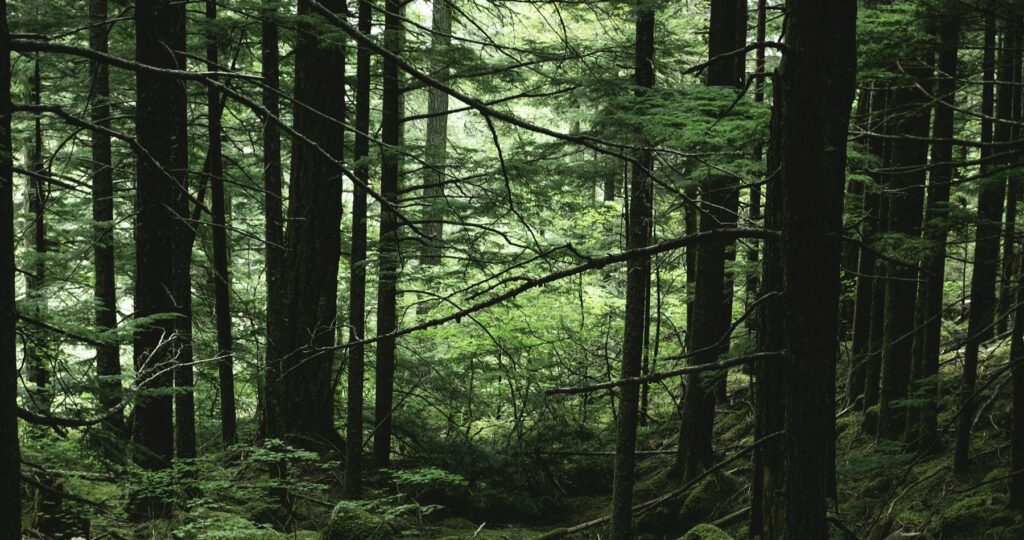
Culturally Modified Trees of the Interior, British Columbia
A Foreword For the Archaeologists who’ve found themselves interested in the niches of Ecology and Landscape-Use-Dynamics, we tend to recognize the landscape as a dynamic whole; a manuscript of activities, knowledge, and ideologies that human societies have crafted and applied to the environments in which they live. However, Professional Consulting Archaeologists in Cultural Resource Management
Keep Reading
By Maegan Huber
January 31, 2025
Alberta’s Boreal Sand Hills
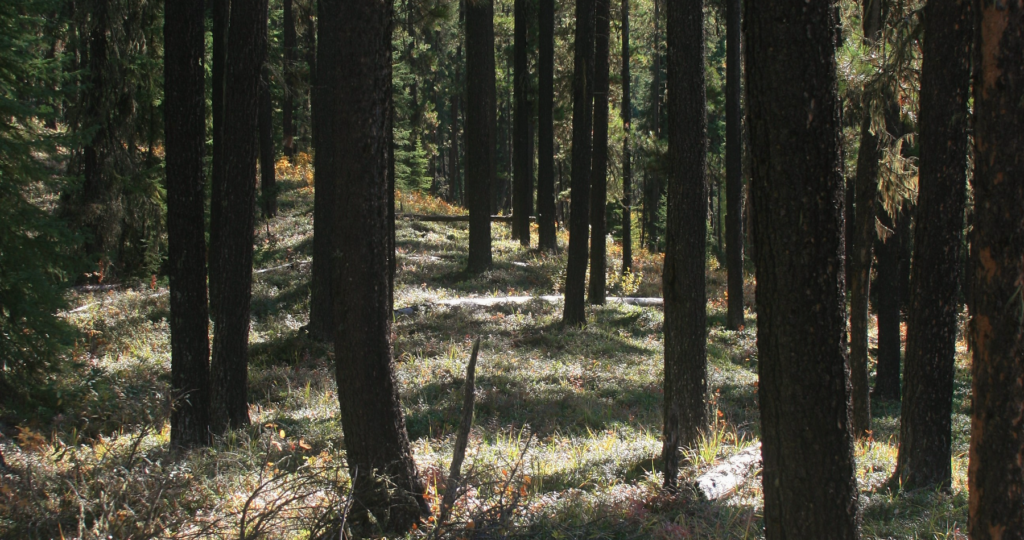
Alberta’s Boreal Sand Hills Some people may be surprised to learn that Alberta is home to a series of large sand hill complexes made up of large forested dune features. Typically, when we think of sand dunes we tend to picture hot and dry regions with minimal vegetation, often situated near oceans. However, Alberta’s boreal
Keep Reading