
Project Category : Engagement & Consultation Forestry Research
Lesser Slave Lake Northshore Indigenous Heritage Inventory
Project Objectives
In collaboration with Swan River First Nation (SRFN), Tolko Industries, and Ember Archaeology, this project aimed to increase archaeological knowledge about the north shore of Lesser Slave Lake, while integrating Indigenous history and Traditional Land Use (TLU) knowledge.
Special Considerations
In 2021, Tolko Industries presented their plans to harvest areas on the north shore of Lesser Slave Lake. Swan River First Nation (SRFN) opposed any harvest along the north shore due to the locations’ importance to the community, citing past and present use of the area.
Acknowledgment of the cultural significance of the north shore to Swan River First Nation, and to other Indigenous communities, was not represented in Alberta’s registry of historic resources. As such, an agreement was reached between Tolko and Swan River First Nation: Tolko would fund an “Indigenous Heritage Inventory” of the north shore using their available Forest Resource Improvement Program (FRIP) funds, managed by the Forest Resource Improvement Association of Alberta (FRIAA), and halt all harvest plans in the study area until project completion.
The multi-year project was approved by FRIAA, it began in 2021, and ended in 2024.
The Outcome
Over the course of three field seasons, community participants of Swan River First Nation and staff of Ember Archaeology visited 40 locations where it was believed that historic resources may be located. Over 1,100 shovel tests (40 x 40 cm holes) were dug in search of buried artifacts, and countless kilometers were traversed along the north shore of Lesser Slave Lake.
These efforts resulted in recording 29 new historic resource sites, 4 modern-use sites, and the re-evaluation of two known sites, all of which tell the story of a human presence reaching back over 6,000 years. In addition, Swan River First Nation and Ember Archaeology engaged in several annual community events, including classroom presentations, Swan River First Nation Culture Days, Community Culture Workshops, and the Northshore Culture Camp held at Lily Creek Campground.
Reflections of a Collaborative Practice
This study stands apart from all archaeological research to date because of the availability of LiDAR and satellite imagery, a large study area not confined to a development, and the desire to ask the big questions that are not often considered in development-driven research.
From precontact times to the present, the north shore continues to be a place that people and communities have a strong connection to. The sense of stewardship for the north shore and Lesser Slave Lake region is strong amongst Swan River First Nation members. The archaeological record now reflects that the significance was prevalent in people over 6,000 years ago, as well. This connection is something that has not faded over time, nor will it likely ever.
“Collaboration is a transformative, decolonial approach that fosters healing, trust, and shared stewardship of cultural heritage.”
Related Projects

Forest Management Unit S20 Baseline Heritage Inventory: an Archaeological Collaboration
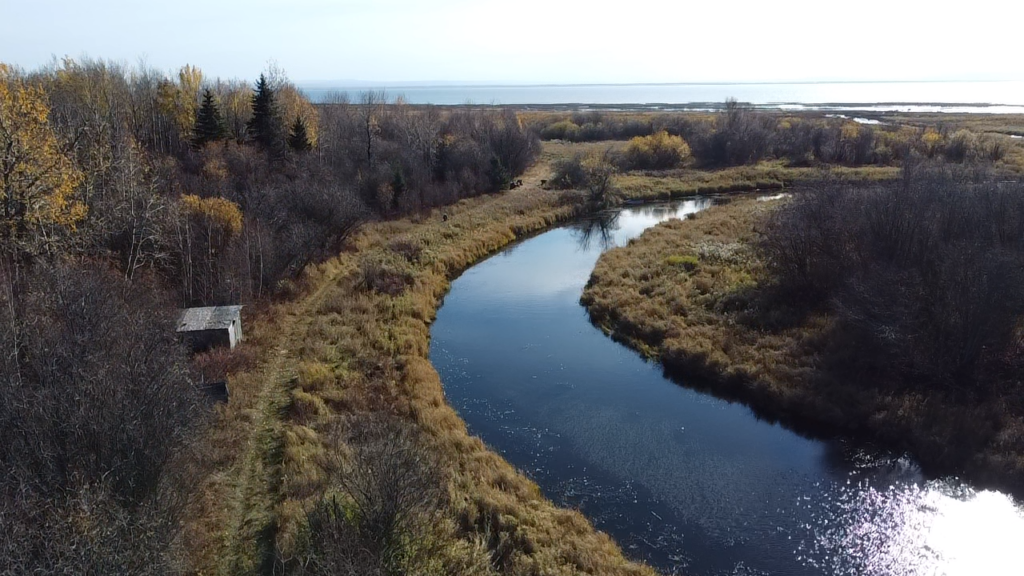
Project Objectives In collaboration with Swan River First Nation (SRFN), West Fraser, and Ember Archaeology, this project aimed to increase archaeological knowledge about the southern Lesser Slave Lake basin region while integrating Indigenous history and Traditional Land Use (TLU) knowledge. Special Considerations Titled the ‘Baseline Heritage Inventory,’ this multi-year project surveyed several culturally significant areas
View Project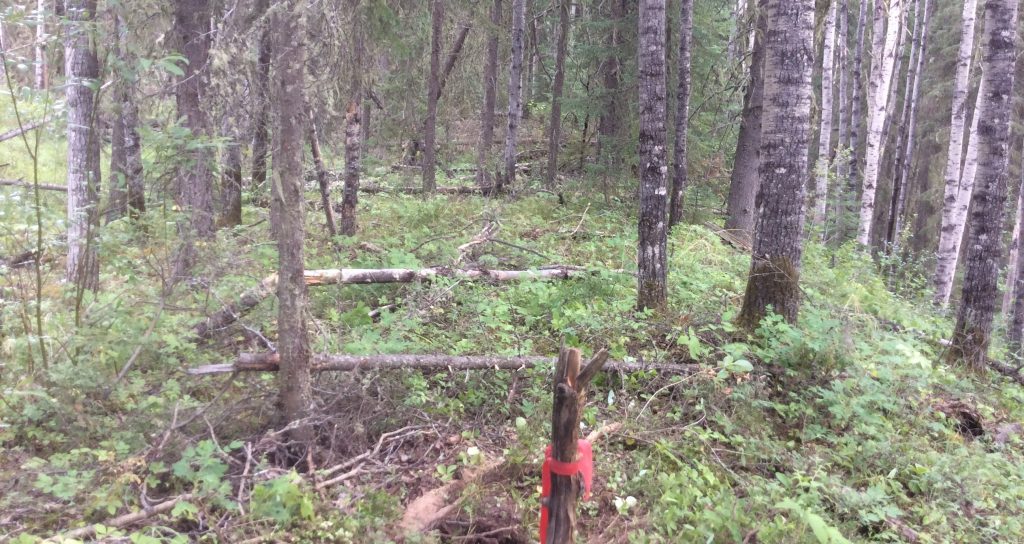
Tri-City Gravel Contractors Cold Lake Gravel Pits
The Task Obtain Historical Resources Act clearance for two large proposed gravel pits in the Cold Lake region. The pits were deemed to be likely to impact archaeological sites due to their proximity to Marie Creek, and a ‘Schedule A’ Historical Resources Impact Assessment letter had been issued to the developer. Special Considerations
View Project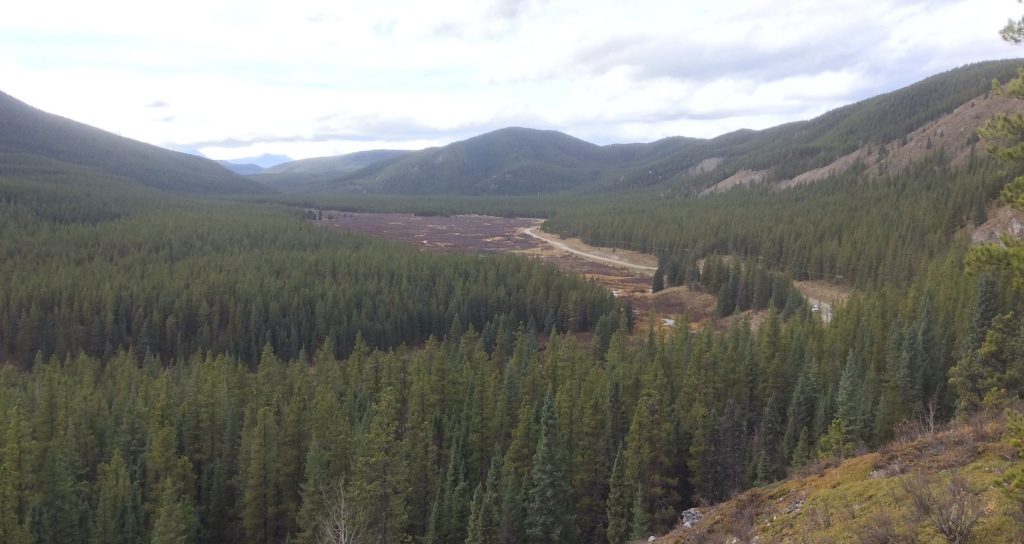
Sundre Forest Products Historical Resources Management Program
The Task Minimize the impact of Sundre Forest Products’ (SFP) forestry operations on the archaeological record and minimize the cost of historical resources management on SFP’s operating budget. Special Considerations Sundre Forest Products’ Management Area (FMA) is one of the best-surveyed and most archaeologically rich areas in Alberta’s harvestable zones. On average, 20-30
View Project