
Post Category : Field Life
Fight or Flight: Lessons Learned From a Cougar Encounter, Part II

By Fallon Hardie on March 20, 2026
Continuing the Conversation
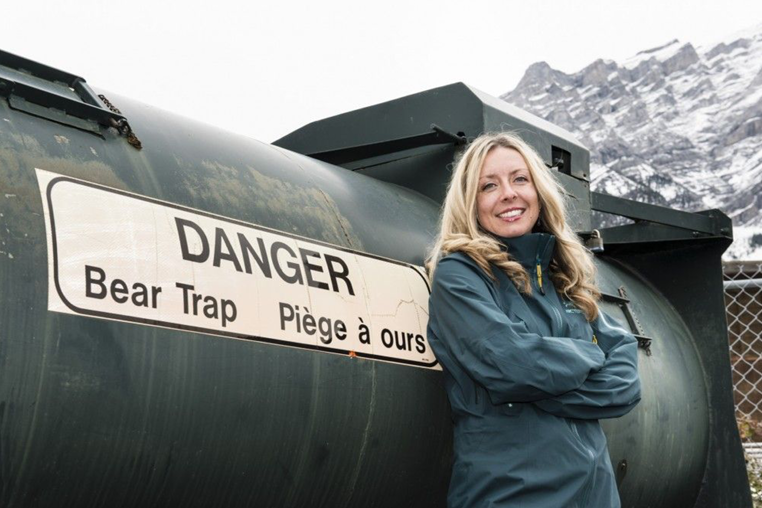
In February 2026, Fallon Hardie (Jr. Field Director, Ember) met with Kim Titchener (President and Founder, Bear Safety & More Inc) to discuss the 2024 encounter. The interview covered the increasing challenges of cougar encounters in Alberta, predator / prey behaviour dynamics, the criticality of expert training based on current data, and more.
Expertise in Wildlife Safety
Kim Titchener has a background in Environmental Education, Parks Management, and Leadership, and has worked on wildlife conflict reduction programs and conservation strategies across North America for over 20 years. Over this time, she has delivered Wildlife Safety Programs to over 65,000 people, led the creation and facilitation of WildSmart, and demonstrates cross-discipline collaboration for the development of holistic and science-based training programs intended for government agencies, industry professionals, communities, and recreationalists.
Common Knowledge and Misconceptions
The Cat With Many Names
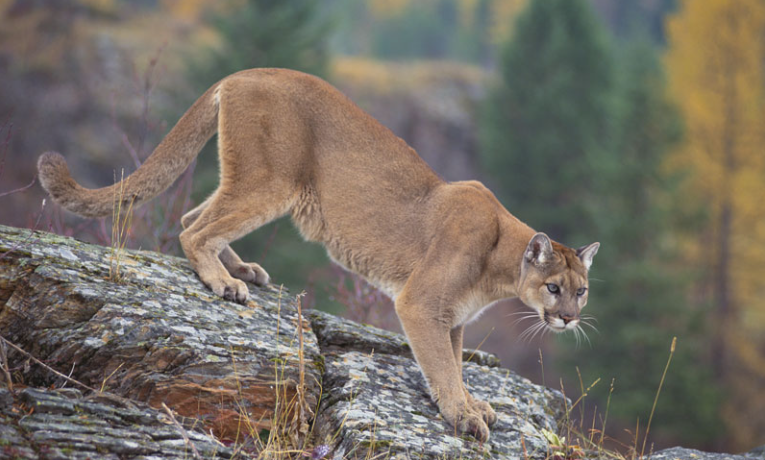
Cougars, also known by at least 40 other names in English and Spanish, have inhabited the Americas for roughly 5 – 8 million years. They span from the Canadian Yukon to the southern Andes in South America, meaning that they have the largest range of any wild mammal in the Western Hemisphere. As such, hundreds of distinct Indigenous cultures have interacted with them for thousands of years. The cougar is deeply embedded in the folklore, mythology, and art across North, Central, and South America. Some of the other common regional and historical names include:
- Puma: primarily used in South/Central America.
- Mountain Lion: commonly used in the Western United States.
- Cougar: widely used in Canada and the Eastern United States.
- Catamount: short for “cat of the mountain,” historically used in New England.
- Painter / Painted Cat: a historical colloquialism, derived from the misinterpreted word “panther”.
- Leon/Leoncillo: Spanish for “lion” or “little lion,” historically used by early settlers.
- Ghost of the Rockies: a nickname referencing their elusive nature, popularized by modern conservation projects, such as Yellowstone Cougar Project studies.
Debunking Misinformation
Traditionally, most Wildlife Safety Training programs maintain a primary focus on the most commonly encountered predator: bears. While an extremely important species to educate ourselves on, they are not the only ones to consider when working, living, or recreating outdoors. In addition, widespread misinformation regarding the nature of other predators (like cougars) has inadvertently contributed to some major misconceptions regarding safety:
Myth: If I don’t see them, they aren’t there.
Fact: Cougars are highly elusive and secretive. In fact, they likely see you long before you see them. Assume that they are present in all areas, regardless of whether there have been recent sightings.
Myth: Cougars are only active at night.
Fact: While most active at dawn or dusk, cougars can and will hunt and roam at any time of the day or night.
Myth: Bear Spray does not work on cougars.
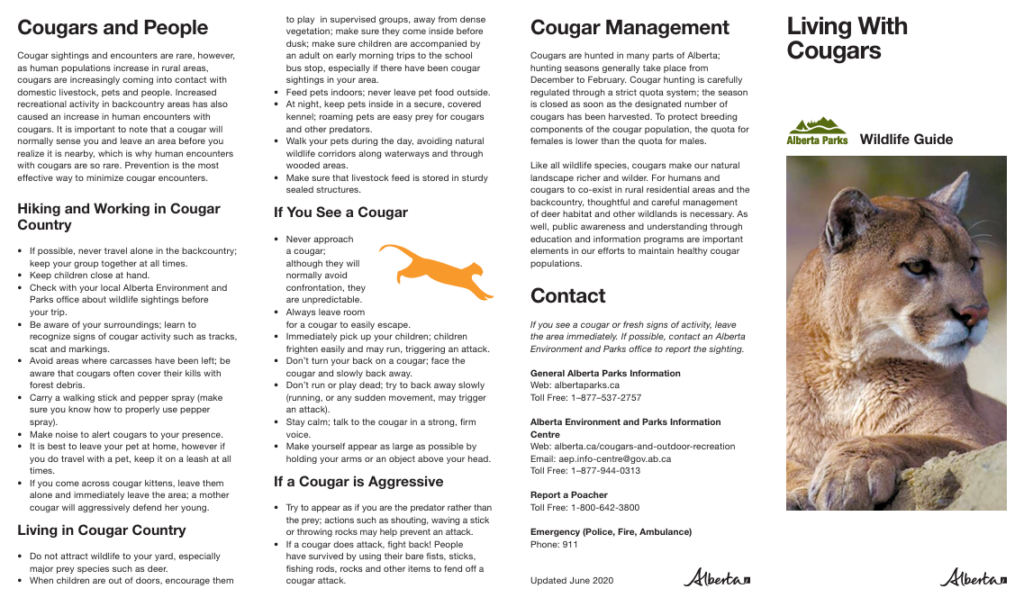
Fact: Although no scientific studies have been conducted on the effectiveness of bear spray on cougars, the effectiveness has been observed in human-cougar encounters. Despite the lack of a study, cougars exhibit exceptional sensory systems, including extraordinary vision and sense of smell. They have large, forward-facing eyes, a broad and short muzzle / nasal structure, and a relatively small lung capacity. When bear spray is deterred, the highly concentrated capsaicinoids are aerosolized in a wide mist reaching up to five meters. Upon contact with mucous membranes or other tissues, the capsicum causes severe burning, swelling, and involuntary reactions. Thus, effectively deterring any target.
Myth: Hunting reduces human-cougar conflict’s.
Fact: Research in British Columbia and Alberta suggests the opposite. Hunting often removes dominant males, which destabilizes the social structure and allows younger, less experienced, or hungrier males to move into the area, potentially increasing conflicts. Furthermore, given the high adaptability to anthropogenic habitat modification displayed by cougars, hunting to control numbers in remote locations may inadvertently promote the presence of cougars in peri-urban areas.
Myth: Cougars only live in the deep wilderness, avoiding human settlements and infrastructure entirely.
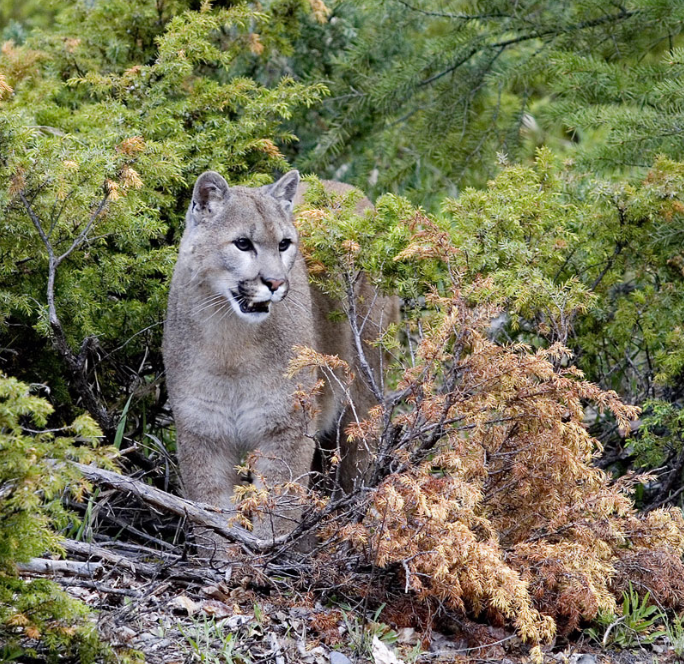
Fact: Cougars are highly adaptable. They’re increasingly found on the edges of cities (like Calgary or Edmonton) or in peri-urban areas, often following the population expansion of their primary prey: deer.
Current Cougar Statistics for Canada
Cougar Population and Regional Distribution:
British Columbia: Holds the highest concentration in Canada, with estimates often ranging between 5,000 and 7,000+ animals, particularly on Vancouver Island, in the Kootenays, and the Cariboo Chilcotin region. Vancouver Island specifically is known for having one of the highest densities in North America (~ 600 – 800 individuals).
Alberta: The population is estimated at roughly 1,500 – 2,000+ individuals, having expanded in recent years. They are commonly found throughout the mountains, foothills, and grasslands, with expanding sightings near Edmonton, Calgary, and Lethbridge.
Saskatchewan & Manitoba: Confirmed sightings indicate that populations are moving eastward, particularly near the Manitoba-North Dakota border and the Riding Mountain area. This is occurring due to a recovery in population numbers throughout Alberta and the US, which forces younger cats to seek new, unoccupied territories. In addition, the resurgence of white-tailed deer, their primary prey, provides a steady food source for expanding populations.
Eastern Canada: While rare, sightings continue to be reported in Ontario, Quebec, and the Atlantic provinces, though these are often transient individuals rather than established, dense populations. However, a cougar’s ability to adapt to areas of varying terrain and vegetation should never be taken for granted when considering current statistics.
Range and Habitat Trends:
Expansion: Cougar populations are generally considered to be stable or increasing, following the expansion of their primary prey, deer, into new areas. Additionally, anthropogenic development creates optimal hunting environments and travel routes.
Fallon: "People don't usually associate cougars with being something that you would normally encounter in Alberta, but this has been changing quite rapidly, hasn't it?"
Kim: "Yeah, it really feels like there's more encounters with cougars and other carnivores. A big factor of that plays into the fact that there's more humans out there spending time working. We are, of course, expanding into their habitat more and more, and so, therefore, we're going to have more encounters. The other side of it, with cougars specifically in Alberta, is that they are expanding their range. So, they are moving into areas that we haven't seen them in before. They're heading north, and are being observed in more eastern regions of the province. We know this because of studies assessing fatality rates of cougars involved in vehicular collisions. Additionally, more cougars are showing up in playgrounds, or underneath people's decks. Which we know from Wildlife Officer reports in areas like Cypress Hills, Saskatchewan, for example."
Habitat Preferences: Cougars commonly favor forests, river valleys, mountainous regions, foothills, and grasslands, but are increasingly sighted in peri-urban areas. Cougars are highly adaptable and can navigate through or occupy areas with varying terrain and vegetation, allowing them to migrate into fragmented landscapes.
Kim: "Cougars actually really prefer and utilize areas of impact like forestry harvest blocks, cutlines, and pipeline right-of-way's. We call this edge habitat. Pretty much anywhere with an opening in the forest canopy. What happens is that the forest edge alongside of an opening provides optimal stalking and hunting conditions for cougars. They hide in the adjacent stands of forest, and they stalk and ambush prey like deer, moose, and elk, who are also using these clearings for easier travel or grazing opportunities."
Conflict & Management: Increased interaction with humans has led to higher, more proactive management, including increased resources allocated to collaring and tracking individuals, as well as increased safety standards and training requirements for industry professionals.
Fallon: "The incorporation of animal behaviour in wildlife safety programs is very smart! I work in those types of impacted areas all of the time, and I had no idea they are high-risk areas for cougar encounters."
Kim: "It's important to train people to consider how their actions are perceived by predators. When assessing the risks of an area, we need to be asking ourselves: am I acting like prey? For example, if you are hiking through a harvested cut block, you're likely focused on tripping hazards, and maneuvering over debris. To a cougar, you look like a tasty two-legged deer. Additionally, it's equally important for people to consider the context. For example, think about linear features like trails and cutlines - ask yourself: what would normally use this space?"
Fallon: "That's a great point... What about if you're making a lot of noise, like we're taught to do for bear encounter prevention?"
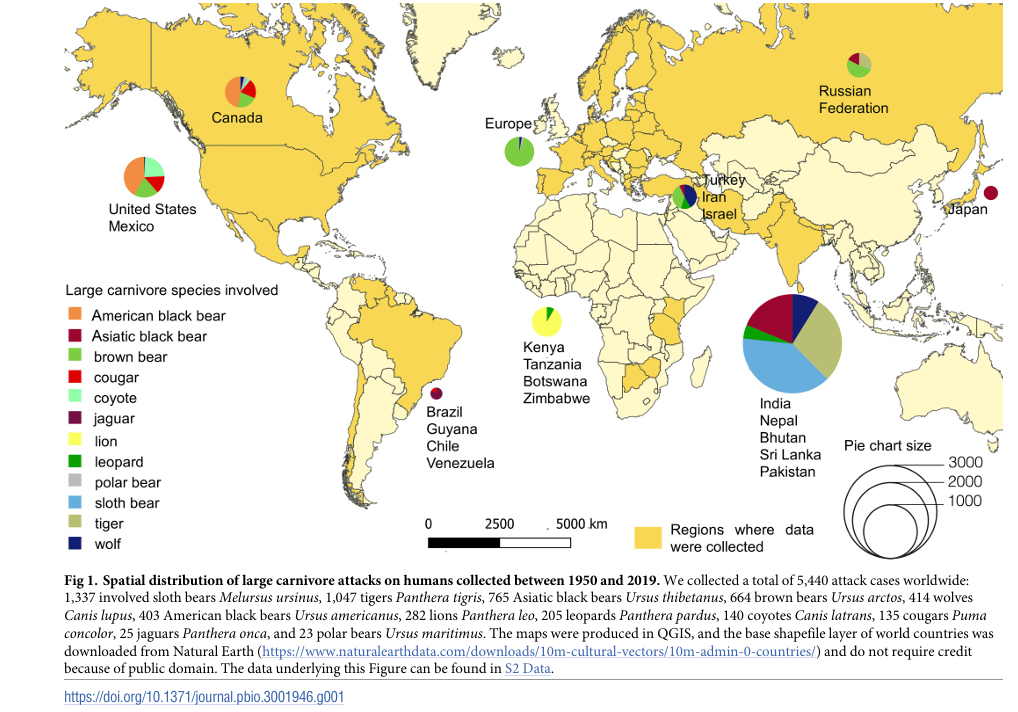
Kim: "Cougars are highly prey-driven animals. Risk-enhancing actions that trigger their prey drive can cause them to have a predatory response. Consider an ATV, for instance - they're super noisy, but the rapid / erratic movement can mimic prey, like a deer, moose, or elk. Depending on the cougar's age, experience, and desperation, they may attack a passing rider in those edge habitats."
Understanding Cougar Behaviour for Safety
Revisiting the 2024 Encounter
In 2024, I [Fallon] experienced a cougar encounter while conducting fieldwork in the Nordegg, AB area (read this article for more). During this interview, Kim offered her opinions on the correct / incorrect choices made during the encounter, and identified areas of improvement for the future.
Fallon: "It was a totally normal morning - I don't recall noticing any animal signs, not even bear. There was nothing to warrant any heightened concerns or vigilance... So, I suppose that sort of caused me to let my guard down a bit. And then I became super focused on the task at hand. When I realized the amount of time that had passed since I had last stood up and assessed my surroundings, I raised my head to look around, and found myself staring at a BIG cat - who was also staring at me!"
Kim: "Oh my gosh... yeah, terrifying! I read your post, but I just have a couple of clarifying questions: what sort of area were you in? Was it impacted, like a harvest block or a pipeline right-of-way?"
Fallon: "I was in a proposed harvest block, but there was a cutline nearby, and some other forms of development in the general area. The landform was a knoll atop of a terrace edge that overlooked a deep drainage gully to the east."
Kim: "Okay, yeah, that makes sense for a cougar to be there!"
Fallon: "So, I'm staring at the cougar, and the cougar is staring at me... and it's head and body are lowered, with its shoulders hunched - like its ready to pounce. And there's alarm bells ringing in my head! Although it was probably only a few seconds, my mind was flooded with countless scenarios, like: Do I treat it like a bear and calmly back away? Do I maintain eye contact? What if a fall over a log while I'm backing away? What if it follows me?"
Kim: "Did you say in your article that you ran at it?"
Fallon: "Yes, I did... I grabbed my shovel, leapt to my feet, and ran towards it while shrieking... the cougar immediately whirled around and took off up the closest tree."
Kim: "Wow! Okay, so, as human beings when we're faced with potential injury or death, we all have different reactions to it. So, some of us will freeze, right? If that was your reaction during that encounter, you would have just froze and you wouldn't have moved. Then there's the people that run - which would have been the absolute wrong move here, never run from a predator! Then there's the people that fawn - they'll baby talk, and tell the cougar how nice and pretty they are. And then we have the people that fight, who will react aggressively - which is what you did! Although our instincts are natural, they're not always the right one to have.
[...] Which is why we need training, because if we solely rely on our instincts, we can actually end up making the wrong choices. So your reaction to fight was, in fact, the right response! Human-cougar encounters are most commonly predatory, meaning that the cougar interpreted the human as prey. It's very uncommon for a cougar to react defensively, where it wants to protect offspring or a resource. Although there have been some cases where a cougar reacts defensively to protect their young, it's less common. Usually, if a person comes along, a cougar is going to flee. However, in defensive encounters, the cougar reacts aggressively - they hiss, they growl, and they lunge. But then when a person backs away, the cougar eventually calms down and retreats to their young.
[...] Generally speaking, if a cougar does approach a human, it's perceiving them as a food source. Your response makes sense, because when we consider predatory behaviour, you were pretty much acting like a prey species to it when you were knelt down and focused on your work. So when you jumped up, made a shockingly loud noise, and ran at it waving your shovel over your head, it became very clear to the cougar that you were not prey. In a nutshell, making yourself look big, yelling really loudly, and running towards it was correct in that situation."
Fallon: "That's reassuring to hear. In the moment, I was shocked by my response. Then when the cougar went up the tree, I kept my shovel raised, pulled my bear spray out of it's holster, turned my body sideways (to reduce the chances of tripping), kept my eyes on the cougar, and retreated back the way I came."
Kim: "The cougar was probably like, 'what the heck is that?!' For a cougar, a prey species is going to either freeze or flee, which triggers an instinctive chase in carnivores. Statistically, we find that people who use an object to make themselves appear bigger and more intimidating, and who carry / use bear spray have better chances at surviving an encounter."
Understanding the Effectiveness of Bear Spray
Other Encounters: Case Studies for Effectiveness
Although bear spray has not been physically tested on cougars, due to a variety of reasons – such as, ethical and professional standards regarding studies on animals, animal rights organizations, and more. However, the effectiveness in observed through oral accounts from community members, written reports from Fish and Wildlife Officers, and recorded human-cougar encounters where bear spray successfully deterred an aggressive cougar.
Kim: "In lieu of a scientific study, we consider other resources at our disposal. For example, I've spoken with some Fish and Wildlife Officers who've arrived on scene to find a cougar attacking a dog, and they deployed their bear spray, effectively ending the encounter. Additionally, I found one case in Grande Prairie where this guy actually recorded a video on his phone of him using bear spray to deter the attack of two cougars."
On September 22nd, 2015, Donny Stone was out for a run on a resource access trail near Grande Prairie, AB. While jogging, Donny spotted two cougars run across the trail ahead of him. He stopped, pulled out his bear spray and a bear banger, and started recording a video on his mobile phone (see here). Donny slowed to a walk and continued along the trail. Once he passed where the cougars had assumably re-entered the woods on the other side of the trail, he resumed a running pace. However, less than two seconds later, he whirled to his left, as the first cougar rapidly emerged from the foliage and lunged towards him. Donny instinctively deployed his bear spray, causing the cougar to immediately flee. A heartbeat later, the second cougar lunged towards him, and he deployed his bear spray again, also with successful results. In the caption of Donny’s YouTube video, he urges viewers to always carry bear spray, as he felt that other deterrents, like bear bangers, wouldn’t have been nearly as effective.
Kim: "This video alone has convinced thousands of field workers for utility companies to carry bear spray, and for safety policy changes within oil and gas companies."
Research Studies on Bear Spray Performance
In 2020, a Research Article titled ‘An Investigation of Factors Influencing Bear Spray Performance‘ was published in The Journal of Wildlife Management. This study, led by Dr. Tom Smith of Brigham Young University with support from researchers at Polar Bears International and other organizations (U.S. Fish and Wildlife Service, Ontario Ministry of Natural Resources, and the Chemical Engineering Department at the University of Utah), examined the performance of bear spray in a lab setting to answer three primary questions:
- How well does bear spray work in windy conditions?
- How well does it work in the cold?
- How long do cans of bear spray remain effective?
The findings show that bear spray works reliably in strong winds and extreme cold. In fact, in all environmental conditions where bears reside. In addition, they also found that older cannisters of bear spray remain effective, but the aerosol range decreases by up to 2 m post-expiration. Therefore, experts recommend following the expiration dates posted on cans for best performance.
Key findings:
- Even at -23 °C, bear spray had a range of over 4 m. Although, the plume was narrow and the spray was not well aerosolized.
- As canister temperature increases, the pressure, plume distance, and dispersion increase.
- In high wind scenarios (example: 70 km/h at the nozzle), the spray can reach 2 m directly in front of the person deploying it.
- Older, unused cans are still capable of deploying according to the designed trajectory parameters. The chemicals in cannisters up to 18 years old were also found to have remained stable over time.
- The first second of spray in a 225 g can released more contents than the remaining six seconds. Therefore, experts recommend entering bear country with a new, fully charged can.

Considerations for the Future
Safety Training Programs with a Holistic Design
Kim: "Bear and Wildlife Safety is a very holistic thing. It can't just be a training video instructing the viewer to do A, B, and C to be safe. It's so much more complicated than that - People need to be able to think about their actions from the animals perspective, and adjust their behaviours accordingly."
Not all human-animal interactions are the same. The potential severity of encounters are dependent on a wide variety of factors. Acquiring knowledge of animal behaviour, developing the ability to assess the environment, and building the fine motor skills necessary to reliably and consistently deploy a deterrent, are all required outcomes of any worthwhile wildlife safety program. Choosing a safety training program that is developed by a range of wildlife experts, is science-based and uses recent field data, and incorporates a practical hands-on component, ultimately yields a greater culture of safety and higher levels of competence.
Kim: "I've seen online First Aid courses that are having people use their mouses to perform CPR... How can anyone possibly learn how to physically perform CPR without a hands-on component? The same concept applies to using bear spray. You need to physically practice removing it from the holster, and deploying it effectively."
Ultimately, the quality of training should be in the forefront of everyone’s minds. High quality training should not be reserved for after the occurrence of a dangerous or fatal encounter. Employers and individuals responsible for enrolling themselves or others in safety training programs also have the ethical responsibility to evaluate the quality and overall effectiveness of the program. Furthermore, the training doesn’t stop once the certificate is received – ensuring competency in the application of knowledge and skills is equally significant.
Furthermore, although grizzlies, black bears, and cougars are often focused on in wildlife safety training programs, a high quality program does not exclude all of the other potentially dangerous animals encountered in Canada. Such as: moose, elk, wolves, coyotes, badgers, wild boar, rattlesnakes, ticks, and more.
Staying Informed and Reporting Encounters
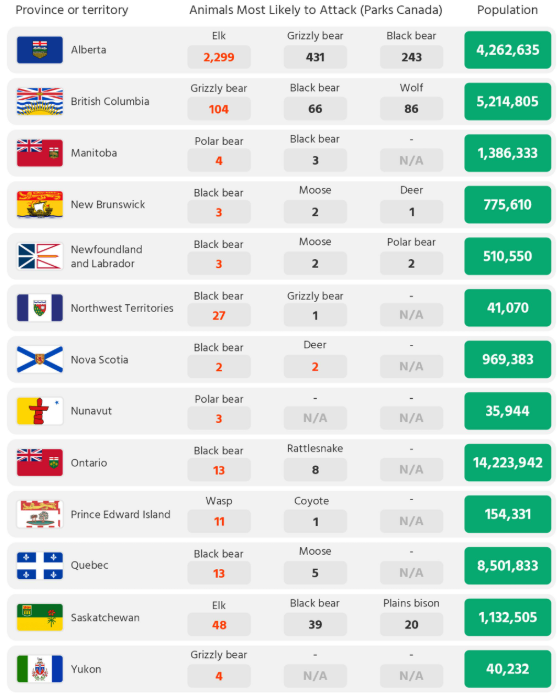
Anyone living, working, or recreating in the outdoors needs to take the initiative to remain informed about any recent encounters in the area. In Alberta, residents and workers can stay informed about recent animal encounters and report sightings through government and regional resources. Key resources for tracking and reporting include:
- Report a Poacher / Urgent Encounters (24/7): Call 1-800-642-3800 for immediate, dangerous, or high-risk wildlife encounters.
- Alberta Parks Advisories: Provides up-to-date information on trail closures and recent dangerous animal sightings within provincial parks.
- WildSmart (Biosphere Institute of the Bow Valley): Offers weekly reports on bear activity and wildlife safety tips for the Canmore and Kananaskis region.
- Alberta Fish and Wildlife: For non-emergency, localized reports, residents can contact their local Fish and Wildlife office, often reached through 310-LAND.
- Municipal Resources: Urban areas often have local police or bylaw numbers for reporting sightings, such as WILDNorth for injured wildlife in Northern Alberta (780-914-4118).

Fallon Hardie
Jr. Field Director
Related Posts
By Fallon Hardie
May 19, 2025
Fight or Flight: Lessons Learned From a Cougar Encounter
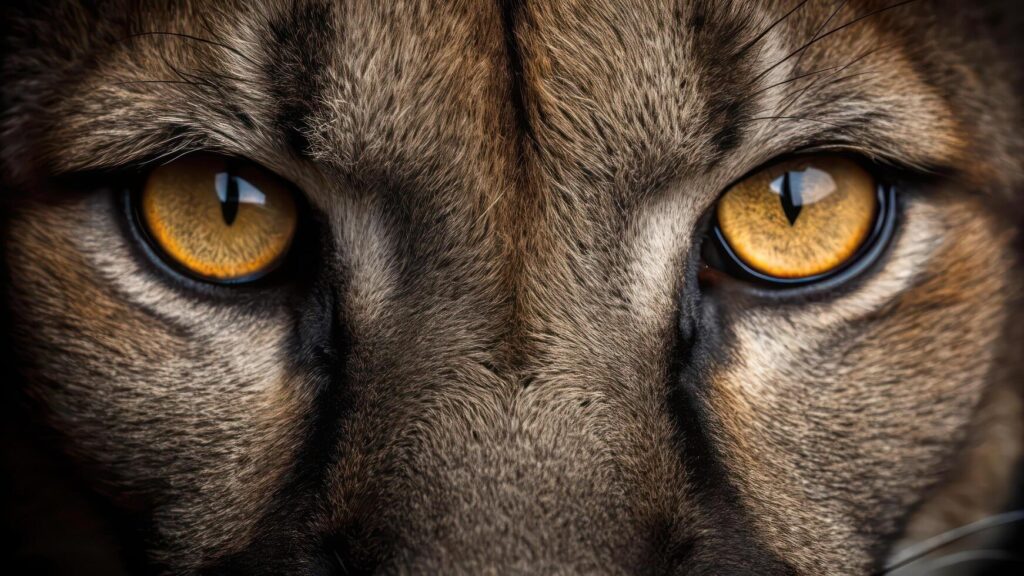
Fight or Flight: Lessons Learned From a Cougar Encounter While completing Historic Resource Impact Assessments (HRIA) in the Lower Eastern Foothills of Alberta during the Summer of 2023 (maybe mid-July or August), I experienced something allegedly unlikely: a cougar encounter. Like any professional working in the wilderness, I have completed numerous Bear Safety and Wildlife
Keep Reading
By Braedy Chapman
July 2, 2023
Top sites of 2022, BC edition
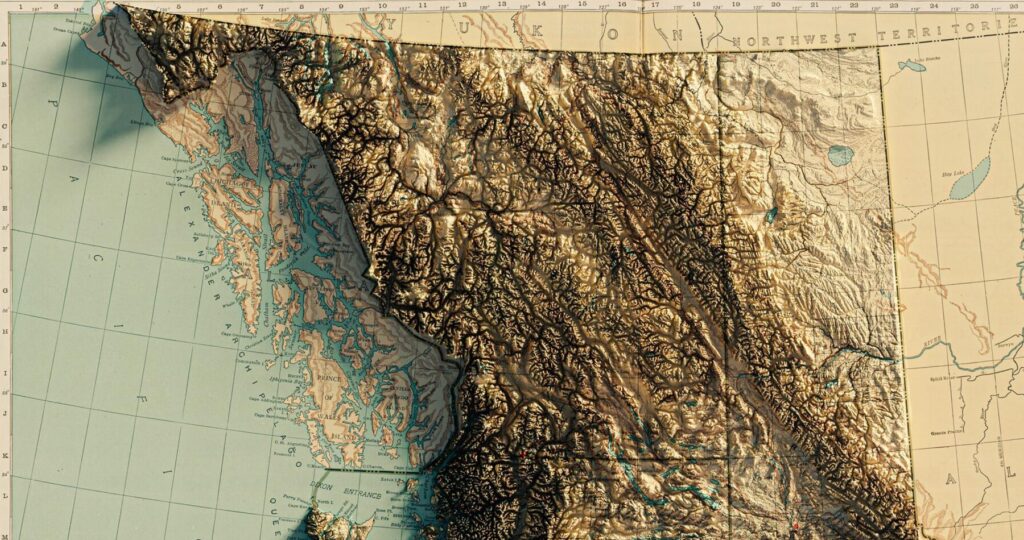
Field operations in British columbia 2022 marked Ember Archaeology’s first year of significant field operations in British Columbia. Our BC crews conducted a number of sizable wildfire-related projects for the BC Ministry of Forests over the course of the season, ultimately surveying hundreds of kilometers of constructed fireguards and fuel reduction developments. These were nearly
Keep Reading
By Megan Williams
March 8, 2023
Elsie Jury
International Women’s Day In celebration of another International Women’s Day, Ember Archaeology would like to share the life and accomplishments of another impressive archaeologist, Elsie McLeod Murray Jury. Known for being a trowel blazer in the understanding of historical archaeology in Ontario, Elsie Jury worked at many archaeological sites across the province and helped to
Keep Reading