
Post Category : Field Life
Fight or Flight: Lessons Learned From a Cougar Encounter

By Fallon Hardie on May 19, 2025
Fight or Flight: Lessons Learned From a Cougar Encounter
While completing Historic Resource Impact Assessments (HRIA) in the Lower Eastern Foothills of Alberta during the Summer of 2023 (maybe mid-July or August), I experienced something allegedly unlikely: a cougar encounter. Like any professional working in the wilderness, I have completed numerous Bear Safety and Wildlife Awareness training courses over the years, all of which have adequately prepared me for a variety of wildlife encounters… except for this one.
Setting the Scene
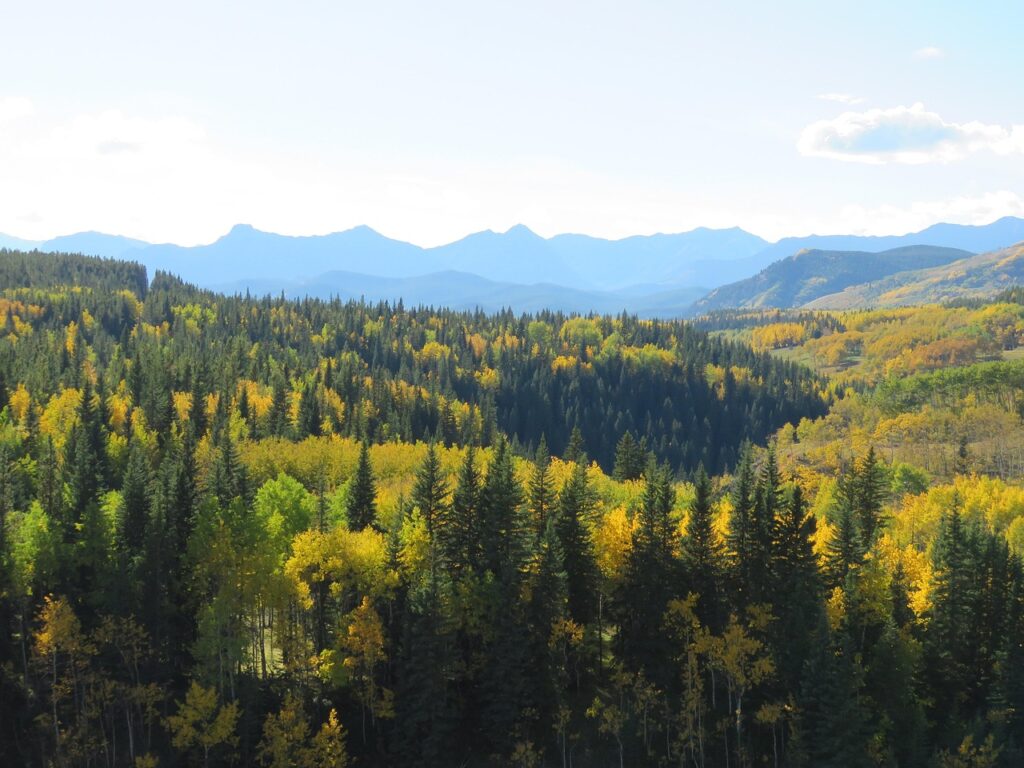
On day five of our field shift, the morning began just like any other. My colleague and I were assigned to a cluster of targets situated a few kilometers from where another two-person crew was operating. After navigating our way in via ATVs and hiking, we assessed two targets without any issues (or wildlife sightings).
Upon reaching the third target, my colleague began shovel testing at the southwest end of a knoll, which was perched on a northwest-facing ridge overlooking a deeply carved drainage valley. Meanwhile, I moved ahead to visually inspect the rest of the target. Approximately 50 meters away, I radioed my colleague to let them know I had decided to start digging at the northeast end of the knoll, and we would work towards each other.
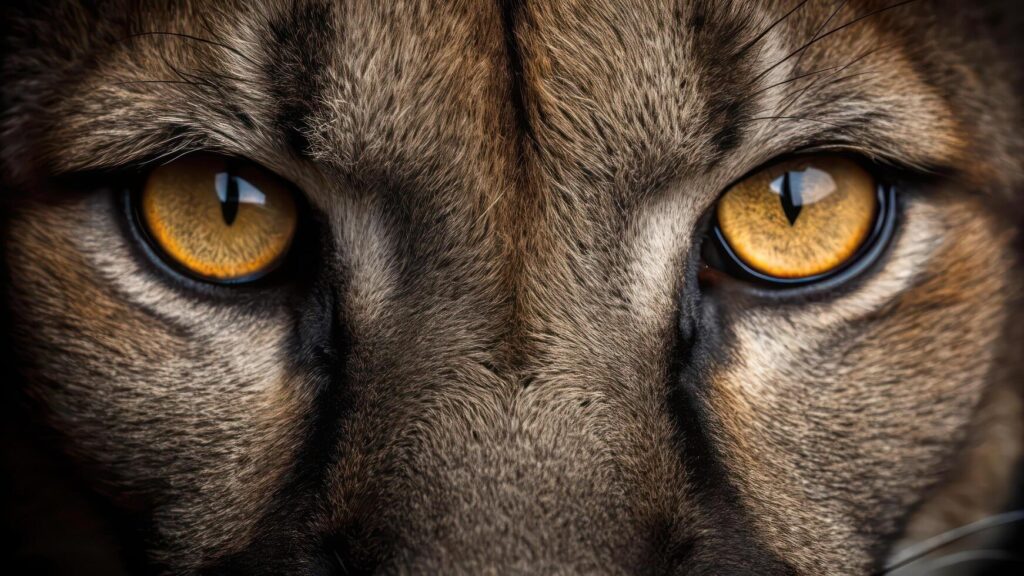
The sample I collected was notably deep, which made the completion time longer than usual compared to previous samples. In my role as Crew Leader, I knelt beside my sample to document various types of data, including notes on the sample and stratigraphy, photos, and additional information. In simpler terms, I was focused in that kneeling position for a good 10 to 15 minutes. When I finally looked up, I realized I hadn’t checked my surroundings since starting the sample — to my surprise, I found myself staring directly into a pair of yellow eyes.
Fight or Flight
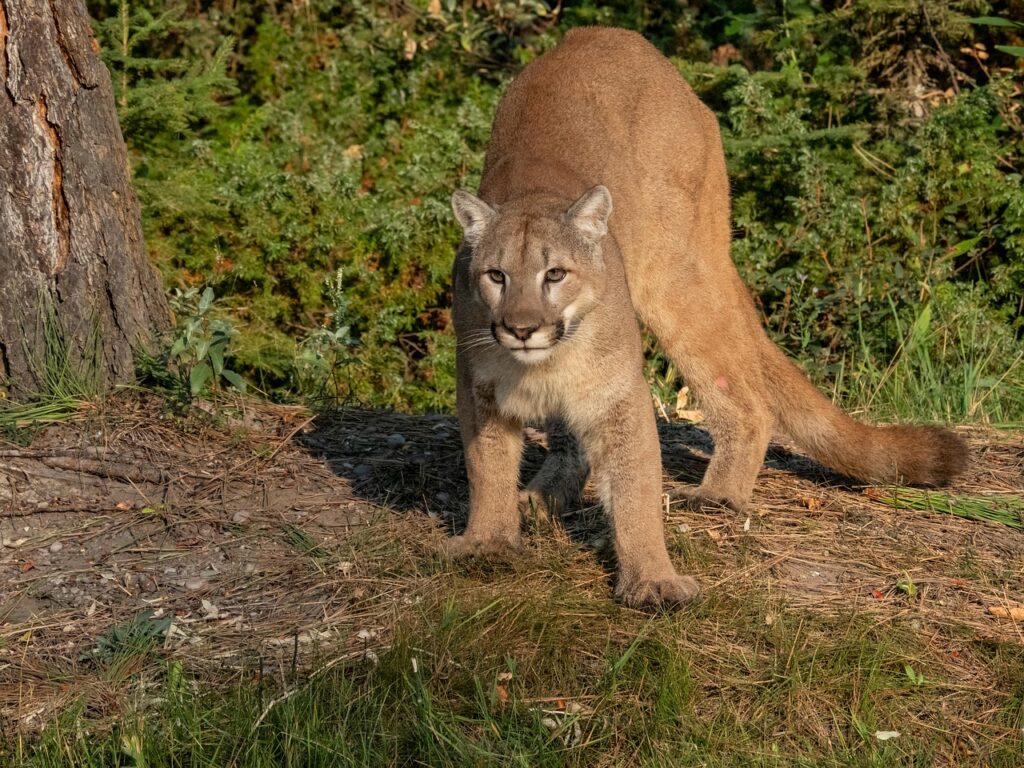
Located approximately 20-25 meters away, at the bottom of a slight 10-12° slope, was an adult cougar. Its entire 100-pound golden brown body was poised to pounce, head lowered and eyes locked on me. My heart raced as my mind was flooded with countless scenarios in mere seconds, each feeling like an eternity.
One thought was to slowly rise and back away, a tactic I had learned for dealing with bears displaying defensive behavior. Yet, I simultaneously reminded myself, “This isn’t a bear; it’s a cougar,” and panicked, “What if I trip while backing away?” Additionally, I recalled, “My coworker is behind me… it might follow.” Another option was to stand my ground and use my bear deterrent once it was within range, but I understood that its effectiveness was too unpredictable to gamble on.
Then, in a moment of clarity, a recollection of a hunting hound treeing a cougar flashed through my mind, and a voice inside urged, “You have to act!” And act, I did! I grabbed the shovel to my left, sprang to my feet, and charged down the slope towards the cat, waving my arms and the shovel above my head while shouting at the top of my lungs. To my utter astonishment, the cougar immediately turned and bounded up the nearest Lodgepole pine.
I may have paused for a second or two as the reality of my actions sunk in. However, I quickly retreated up the slope, keeping an eye on the boughs that were partially hiding an understandably irked cougar. Upon reaching the top of the knoll, I radioed my crewmate. Given that she’d heard my scream, she was unsurprised when I declared that we were leaving—immediately.
Armed with our shovels and bear spray, we made plenty of noise while taking the most direct route toward our ATVs, ascending a steep ~35° slope that we had previously decided to avoid. By this point, my hands were shaking so intensely that I struggled to hold onto anything. Thankfully, my wonderful coworker, Hailey, helped calm me down, and we reached our ATVs shortly after.
Lessons Learned
That evening, I found myself delving deep into whether my actions had been the appropriate response. Most online resources primarily address surprise encounters or attacks, which don’t quite reflect this unique predator/prey dynamic. Overall, I concluded that not appearing as prey and employing intimidation tactics when necessary is the way to go.
Since then, my experience has sparked enhancements in wildlife safety training and additional learning opportunities at Tree Time Services Inc. and Ember Archaeology. In February 2025, the Alberta Forest Products Association (AFPA) hosted an informative webinar titled Bear Safety in Forestry, led by Kim Titchener, the founder of Bear Safety & More Inc. While the main focus was on bears, Kim shared valuable insights drawn from recent cougar encounters in Alberta.
Furthermore, the Government of Alberta has reported an increase in cougar sightings and encounters over the past decade, attributed to several factors: a growing cougar population, more people inhabiting cougar territory, greater availability of prey, and habitat disruption caused by natural disasters and industrial development. For a concise, informative resource, consider downloading the free brochure titled Preventing Conflict with Wildlife from AlbertaParks.ca.
In conclusion, while encounters may be increasing, the presence of cougars signifies a thriving ecosystem. Whether we are professionals or outdoor enthusiasts, we all have a role to play in caring for the landscape. Stay informed, be prepared, and remain vigilant.
Fallon Hardie
Jr. Field Director
Related Posts
By Fallon Hardie
March 20, 2026
Fight or Flight: Lessons Learned From a Cougar Encounter, Part II
Continuing the Conversation In February 2026, Fallon Hardie (Jr. Field Director, Ember) met with Kim Titchener (President and Founder, Bear Safety & More Inc) to discuss the 2024 encounter. The interview covered the increasing challenges of cougar encounters in Alberta, predator / prey behaviour dynamics, the criticality of expert training based on current data, and
Keep Reading
By Braedy Chapman
July 2, 2023
Top sites of 2022, BC edition
Field operations in British columbia 2022 marked Ember Archaeology’s first year of significant field operations in British Columbia. Our BC crews conducted a number of sizable wildfire-related projects for the BC Ministry of Forests over the course of the season, ultimately surveying hundreds of kilometers of constructed fireguards and fuel reduction developments. These were nearly
Keep Reading
By Megan Williams
March 8, 2023
Elsie Jury
International Women’s Day In celebration of another International Women’s Day, Ember Archaeology would like to share the life and accomplishments of another impressive archaeologist, Elsie McLeod Murray Jury. Known for being a trowel blazer in the understanding of historical archaeology in Ontario, Elsie Jury worked at many archaeological sites across the province and helped to
Keep Reading