
Project Category : Engagement & Consultation Forestry Research
Forest Management Unit S20 Baseline Heritage Inventory: an Archaeological Collaboration
Project Objectives
In collaboration with Swan River First Nation (SRFN), West Fraser, and Ember Archaeology, this project aimed to increase archaeological knowledge about the southern Lesser Slave Lake basin region while integrating Indigenous history and Traditional Land Use (TLU) knowledge.
Special Considerations
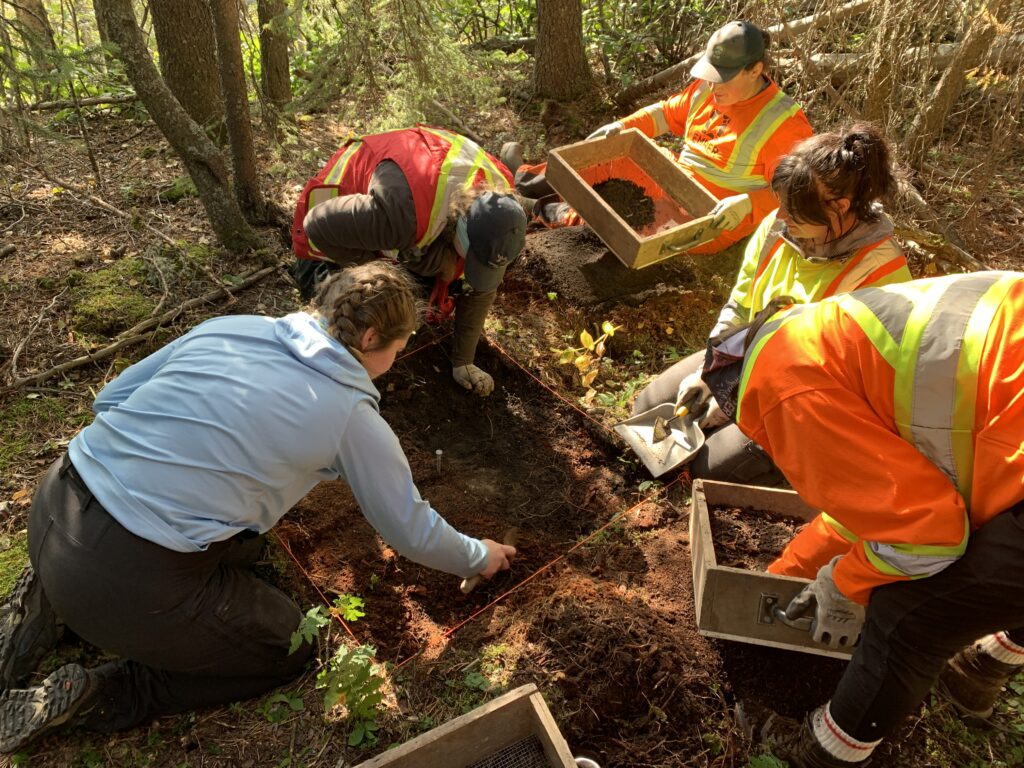
Titled the ‘Baseline Heritage Inventory,’ this multi-year project surveyed several culturally significant areas within Treaty 8 territory, and West Fraser’s S20 Forest Management Unit (FMU), located in the Swan Hills. Similar in structure to a previous collaboration that focused on identifying cultural heritage items from the north shore of Lesser Slave Lake (Jankunis et al. 2024), the S20 project brought together SRFN community members and Ember staff throughout 2022, 2023, and 2024.
This research is not tied to any specific development, though its results will likely inform future forestry projects, and aid in the identification and protection of culturally significant areas.
The Outcome
Field surveys with community members from Swan River First Nation (SRFN) and Ember Archaeology staff were conducted during the 2022, 2023, and 2024 field seasons. Over 340 potential research locations were identified in the S20 FMU at the start of the project. Each location resided within one of several larger geographic areas suggested by SRFN. By the project’s end, 74 locations were surveyed, and a total of 21 archaeological sites were recorded.
Although some areas within the project footprint became inaccessible due to environmental factors like wildfire, they remain a viable research avenue for the future.
Reflections of a Collaborative Practice
Collaboration is at the heart of this project, from shared learnings during fieldwork, to the community discussions and educational talks in schools. Over the three field seasons, many different Ember Archaeology staff and Swan River First Nation community members participated in this project. The collaborative nature promoted knowledge sharing between community members, Elders, Knowledge Keepers, and Ember staff. This project created many lasting memories with friends, and would not have been possible without Swan River First Nation.
“The collaboration between Archaeology and Indigenous knowledge represents a paradigm shift from colonial, extractive research to a respectful, reciprocal partnership.”
Related Projects
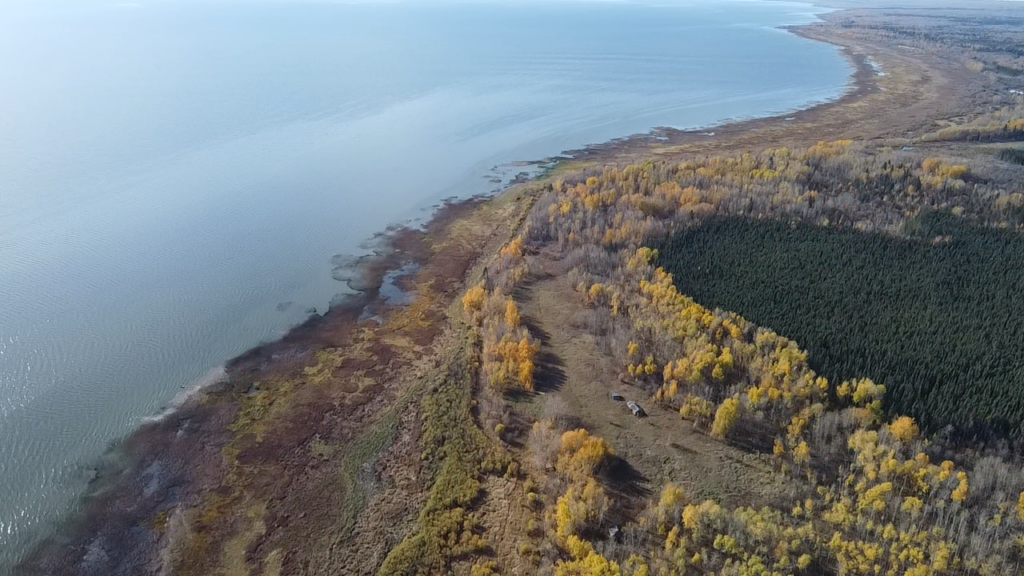
Lesser Slave Lake Northshore Indigenous Heritage Inventory
Project Objectives In collaboration with Swan River First Nation (SRFN), Tolko Industries, and Ember Archaeology, this project aimed to increase archaeological knowledge about the north shore of Lesser Slave Lake, while integrating Indigenous history and Traditional Land Use (TLU) knowledge. Special Considerations In 2021, Tolko Industries presented their plans to harvest areas on the north
View Project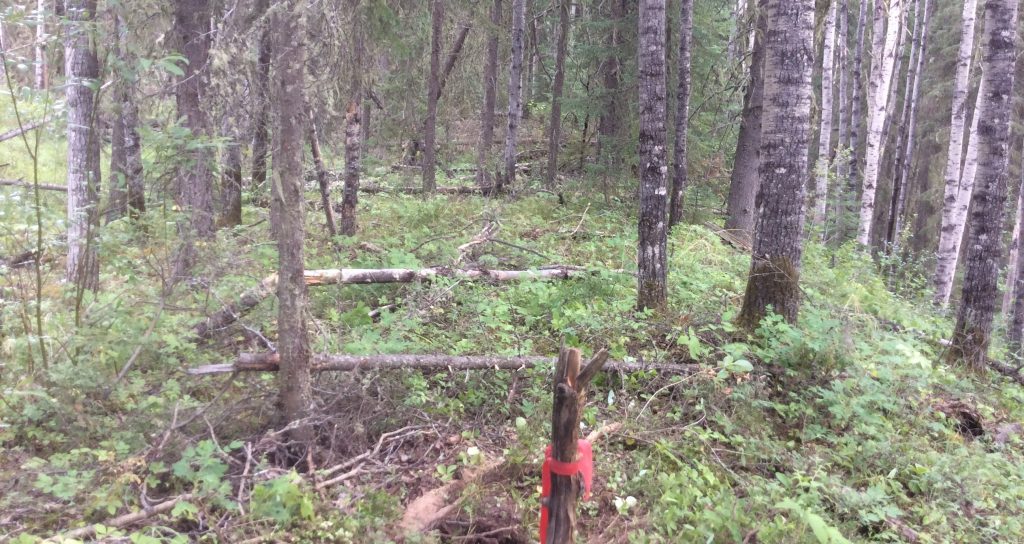
Tri-City Gravel Contractors Cold Lake Gravel Pits
The Task Obtain Historical Resources Act clearance for two large proposed gravel pits in the Cold Lake region. The pits were deemed to be likely to impact archaeological sites due to their proximity to Marie Creek, and a ‘Schedule A’ Historical Resources Impact Assessment letter had been issued to the developer. Special Considerations
View Project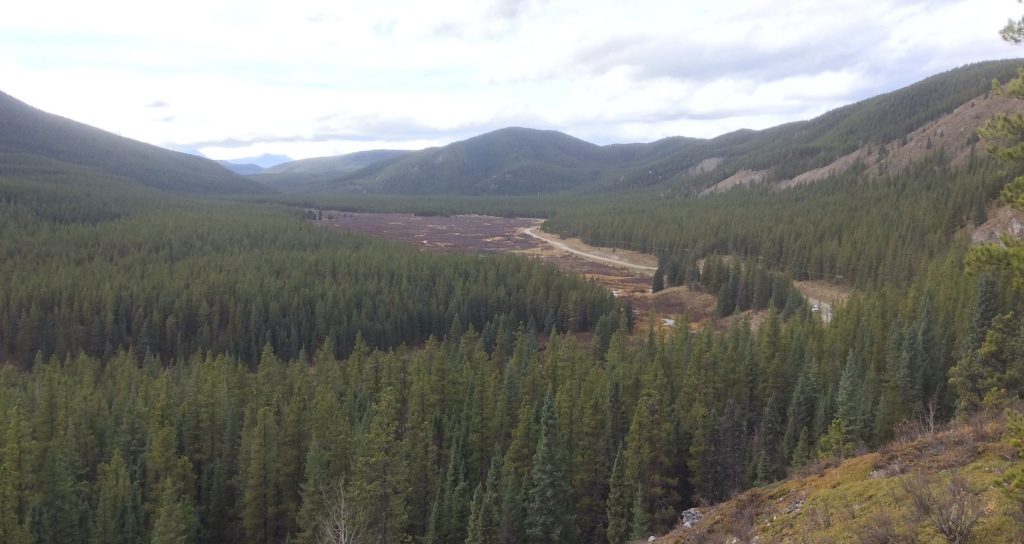
Sundre Forest Products Historical Resources Management Program
The Task Minimize the impact of Sundre Forest Products’ (SFP) forestry operations on the archaeological record and minimize the cost of historical resources management on SFP’s operating budget. Special Considerations Sundre Forest Products’ Management Area (FMA) is one of the best-surveyed and most archaeologically rich areas in Alberta’s harvestable zones. On average, 20-30
View Project