
Blog

By Kurtis Blaikie-Birkigt
June 27, 2016
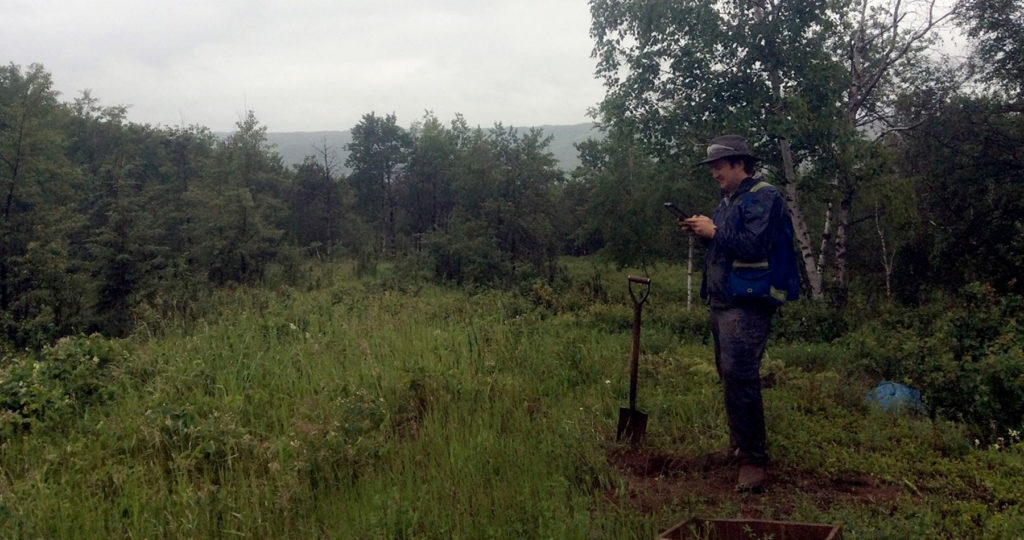
Why do we survey gravel pits?
Aggregate pit applications, even renewals, are regularly triggered for Historic Resources Impact Assessments in Alberta. This is mostly due to two factors: their location, and their impact levels. Good sand and gravel deposits are often located near watercourses, especially major rivers, and the presence of coarse parent sediment usually gives them better drainage than surrounding
Keep Reading
By Britt Romano
June 24, 2016
The King of Spades vs. the Grizzly
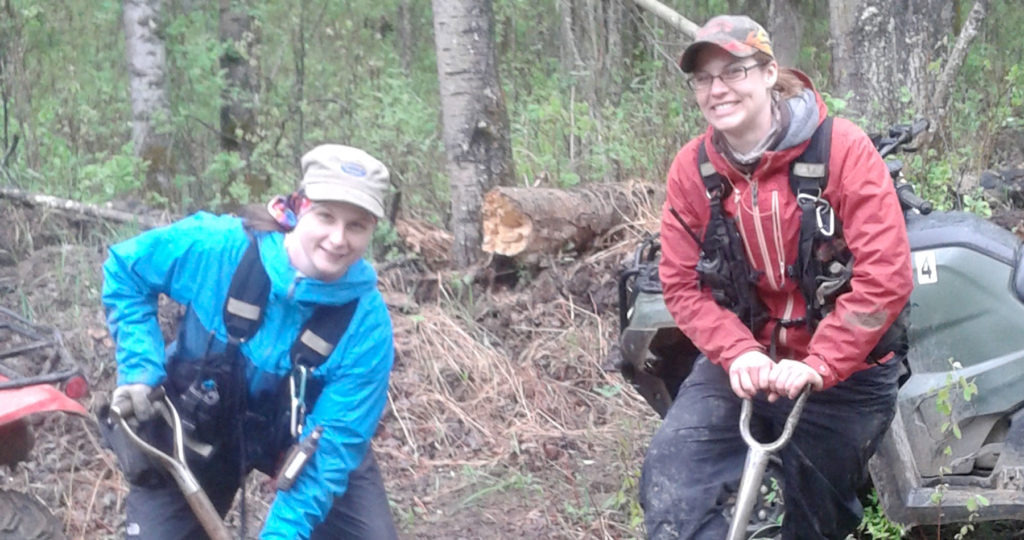
Over the years archaeologists have adopted technological advances from other disciplines. In the office, using programs such as QGIS along with LIDAR and other data sets we can create models to predict sites. In the field, we use a GPS for navigation and iPads to take our notes. Artifact processing has also seen many advances
Keep Reading
By Reid Graham
June 16, 2016
Bone Needle
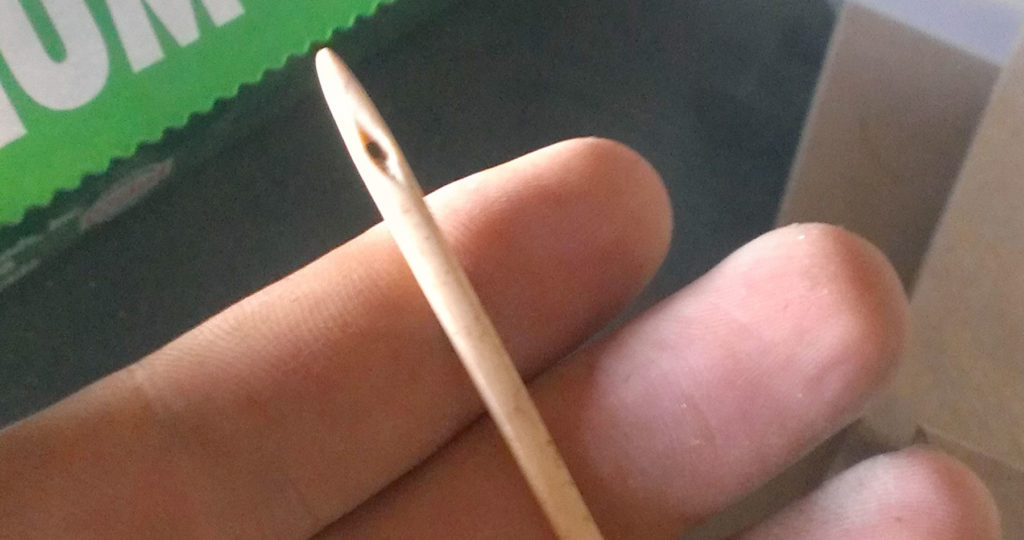
This week we showcase a very unique artifact, a bone needle. This tool is very long and thick compared to the modern steel needles that we are more familiar with, but it still very sharp at the tip. The eye of the needle is diamond-shaped and tapered, which shows us that the eye was made by
Keep Reading
By Teresa Tremblay
June 8, 2016
End Scraper
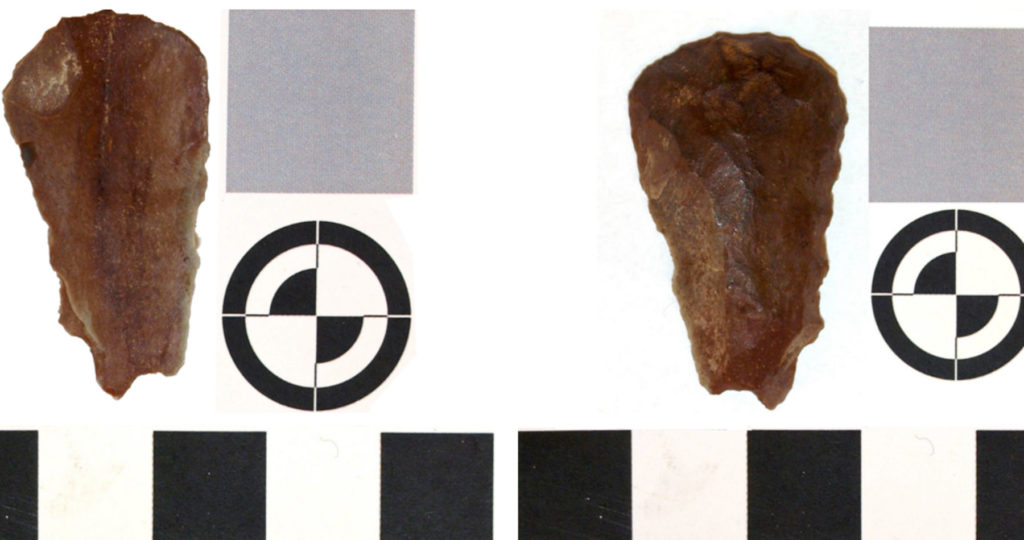
This week we feature a stone tool found upstream on Fall Creek, about 55 km west of the community of Caroline, AB. We were undertaking an assessment for Sundre Forest Products and testing a flat area overlooking the creek (shown below) when Ryan found the end scraper shown above. A “scraper” is a type of
Keep Reading
By Corey Cookson
June 1, 2016
Biface Preform
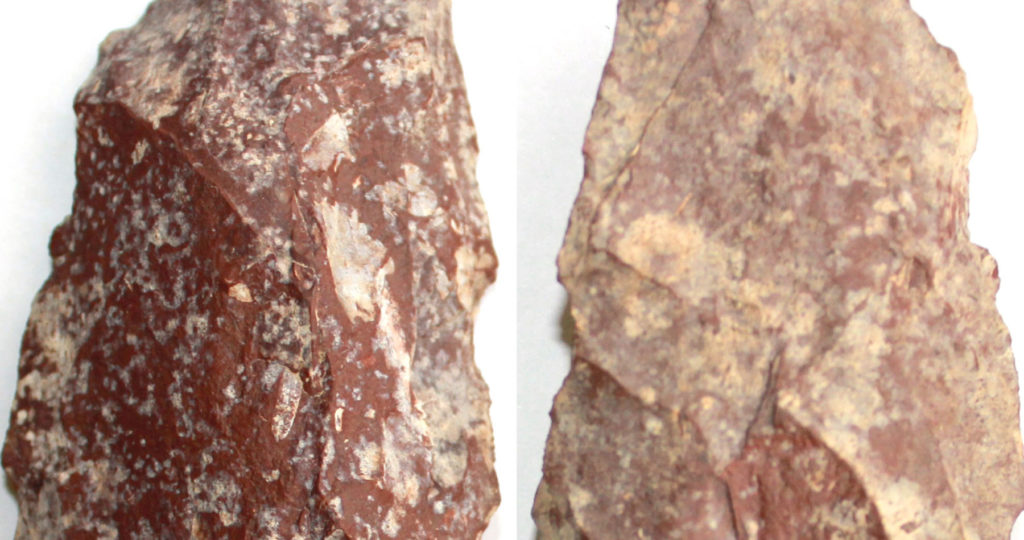
This week we feature an artifact found recently while conducting a survey for an Associated Aggregates gravel pit along the Nordegg River. The artifact is an irregular biface that is likely a preform. A preform is often an ovate or triangular shaped rock that has been flaked on both sides using percussion and pressure flaking
Keep Reading
By Teresa Tremblay
May 25, 2016
Spokeshave
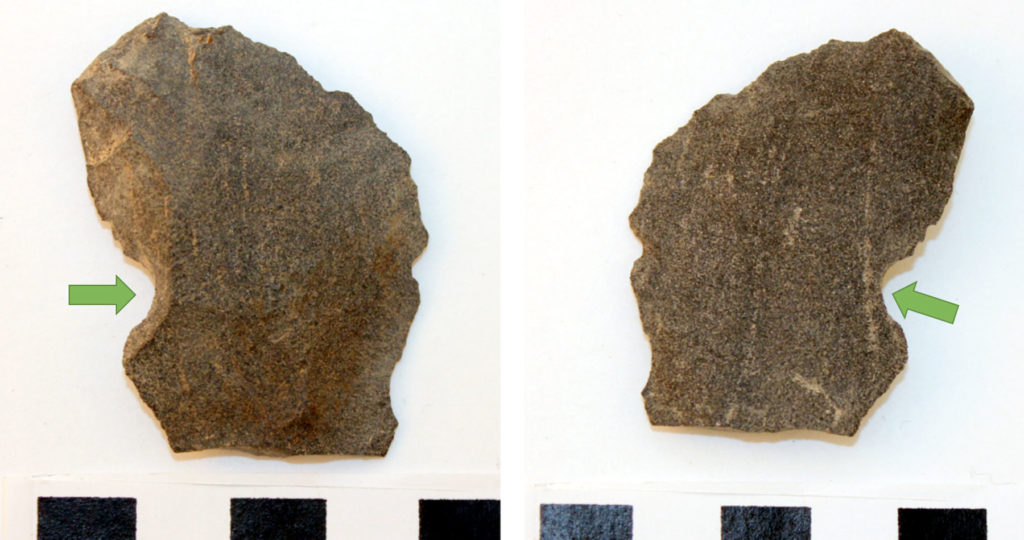
This week we feature an artifact from a large site we found on the Pineneedle Creek valley margin, west of Caroline (a community between Rocky Mountain House and Sundre) and off of the Forestry Trunk Road. The site was found when we were undertaking an assessment for Sundre Forest Products. More than 100 stone artifacts
Keep Reading
By Teresa Tremblay
May 18, 2016
Big John’s Spring
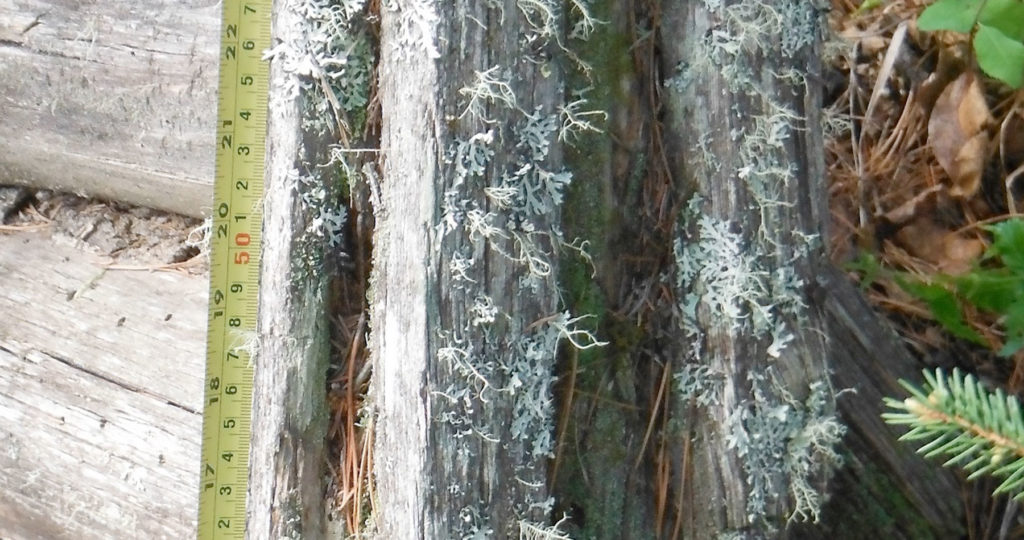
A couple of the traits that serve archaeologists best are curiousity and an ability to recognize when something doesn’t belong. For example, look at this site Brittany found in 2014 on the North Saskatchewan River when we were undertaking assessments for Sundre Forest Products. It may not look like much at first glance, but it’s
Keep Reading
By Madeline Coleman
May 17, 2016
The Brazeau Reservoir Archaeological Survey Project
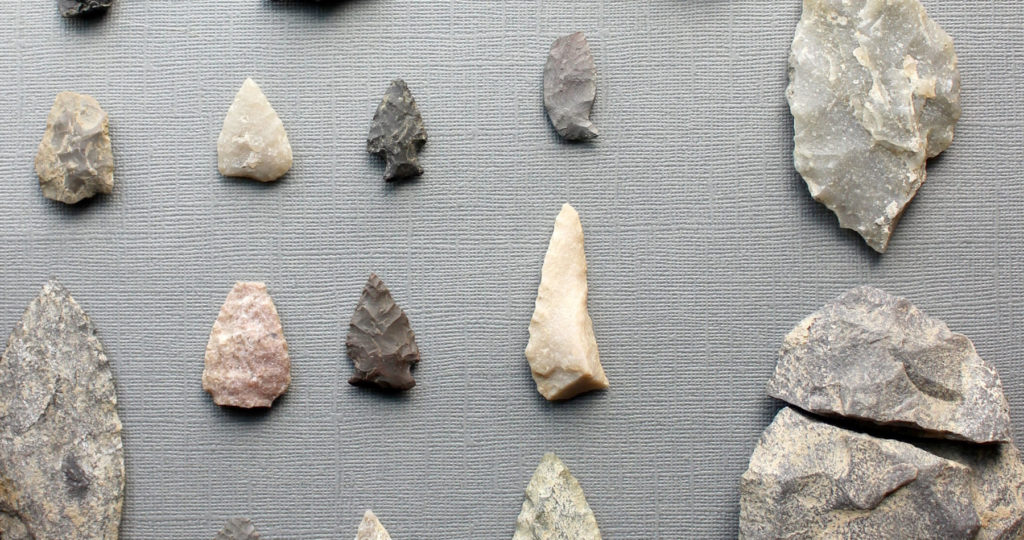
The Brazeau Reservoir Archaeological Survey is a project hosted by the Strathcona Archaeological Society, and is sponsored by Tree Time Services. It currently is centred around a large campsite and workshop on the upper valley margin at the confluence of the Brazeau and Elk Rivers, located near Drayton Valley and Rocky Mountain House. The main
Keep Reading
By Kurtis Blaikie-Birkigt
May 16, 2016
The Archaeology of Wildfire
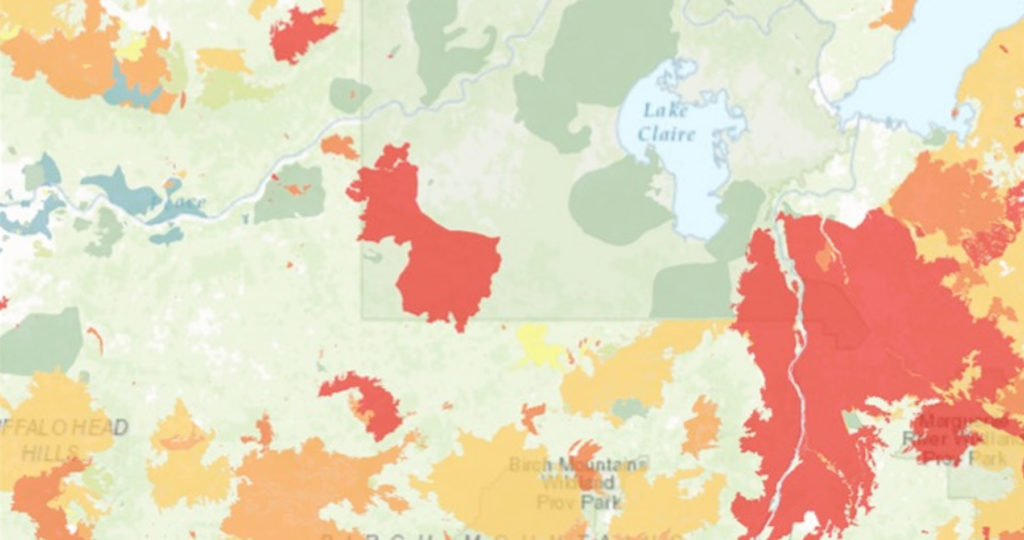
This is a guest post by Christina Poletto, a Master’s student with the Institute of Prairie Archaeology at the University of Alberta Department of Anthropology. She’s studying the palaeoenvironmental signature of wildfire, to look for signs of pre-historic controlled burning by indigenous societies in northeastern Alberta. Fire is almost a constant in Alberta’s north, and its impact
Keep Reading
By Reid Graham
May 11, 2016
Stone Drill
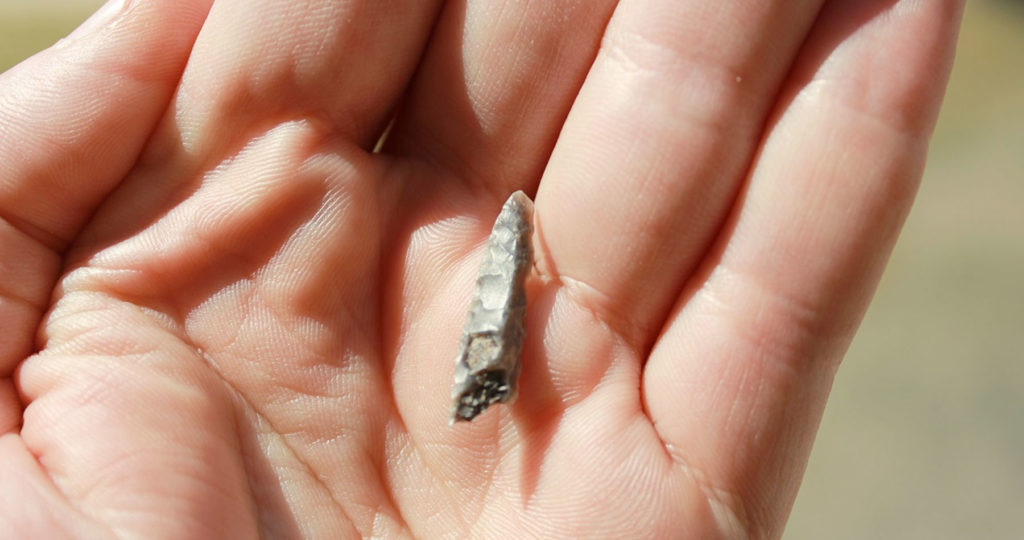
This week, we showcase a stone drill. That’s right, you guessed it, this type of stone tool is used to drill holes in things. Like knives and projectile points, drills are worked on both sides to create sharp edges and a narrow tip. Unlike other stone tools however, drills are very narrow and thick, and often
Keep Reading