
Post Category : Field Life
The Whiskey Jack!

By Madeline Coleman on July 18, 2018
In 2015 a two year poll was issued by Canadian Geographic for a new National Bird. In the end, our little Grey Jay took the lead, beating out the common loon, black-capped chickadee, snowy owl, and Canadian Goose. Although not officially recognized as the new National bird yet, it was selected as an avian representation of Canadians: its found in every province and territory, it’s friendly, and it’s very intelligent!
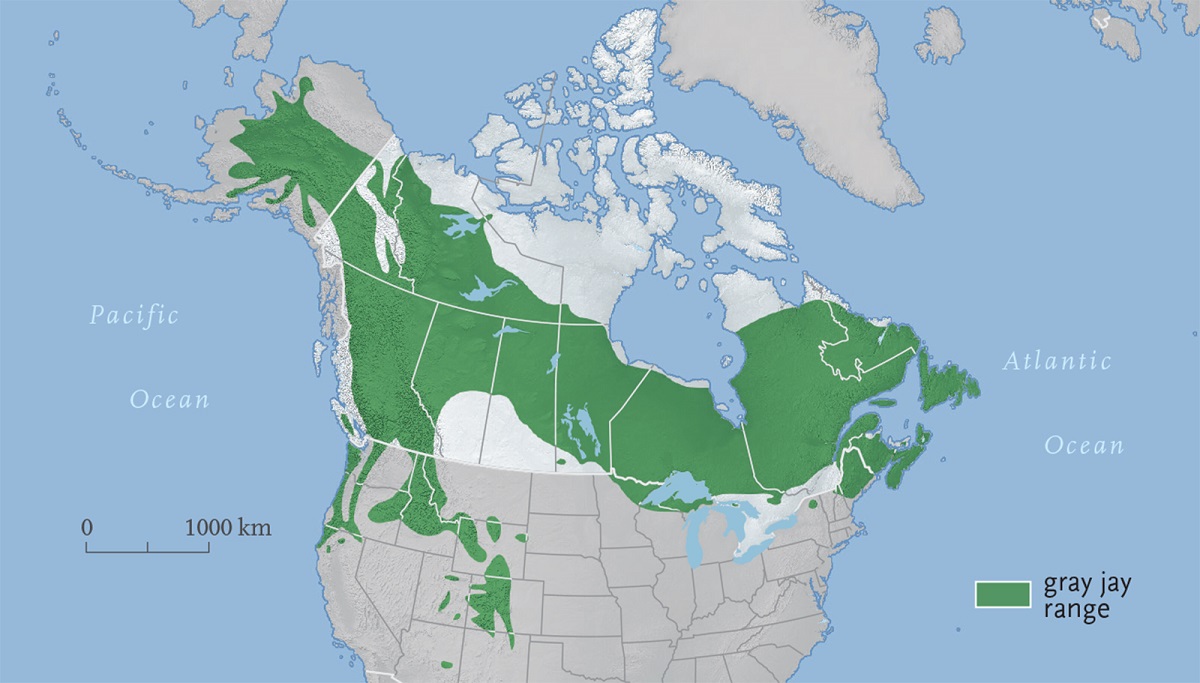
For the Cree, the Whiskey Jack, or Wisakedjak, is a shape-shifter, benevolent trickster, teacher, and messenger of the forest. There are many different stories about the Wisakedjak, but most of them have a moral. The appearance of the Wisakedjak in the morning is seen as a good omen, and is believed it warns people of nearby predators.
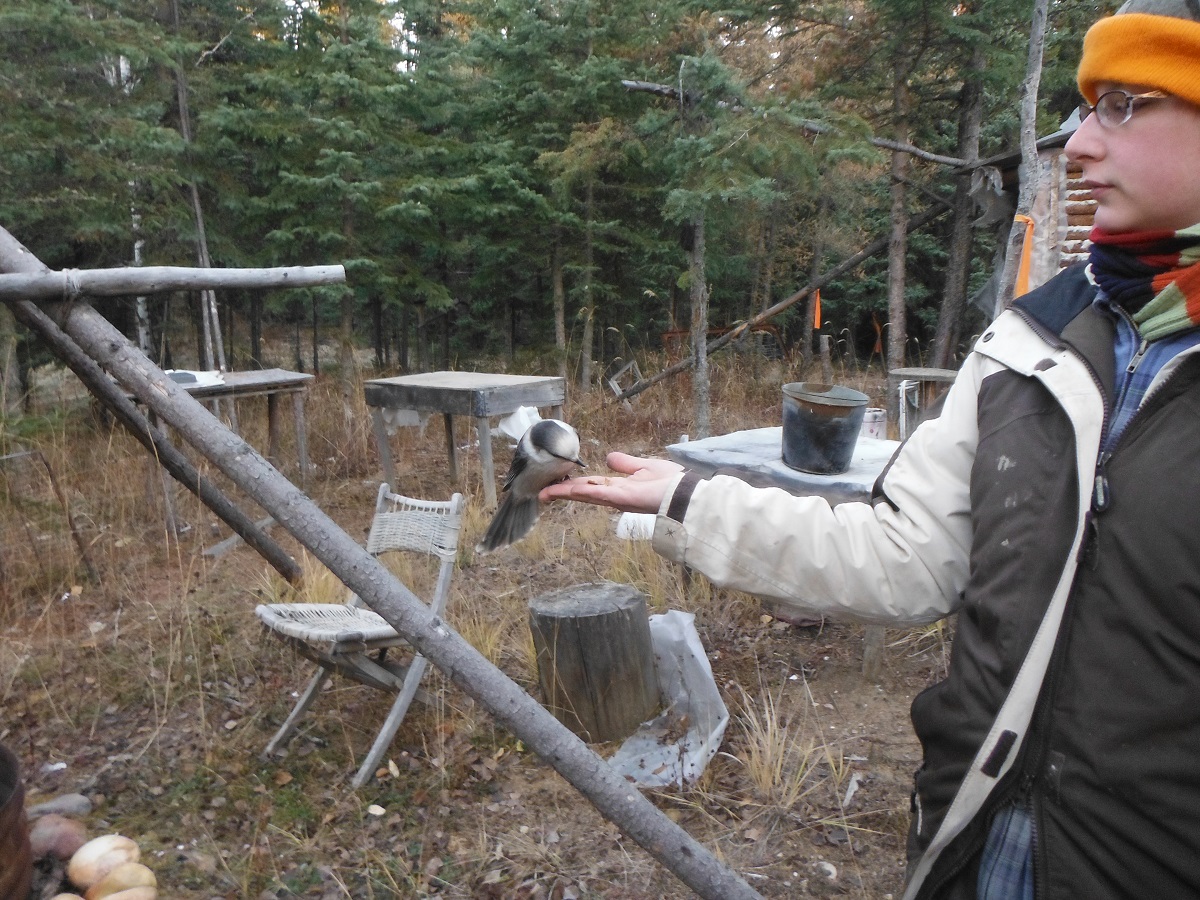
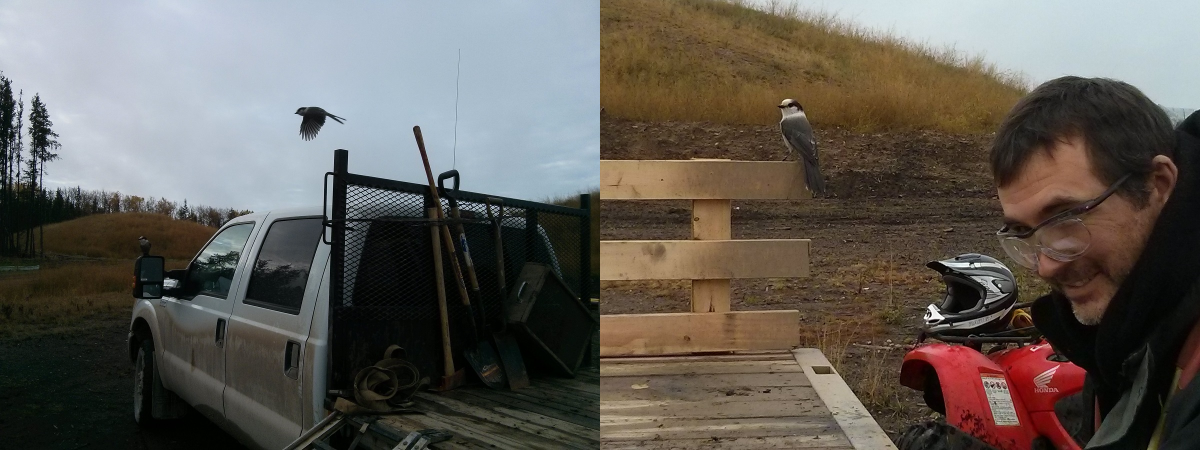
This boreal forest inhabitant is often spotted by Tree Time’s archaeology crews, and it has quickly become my favourite little bird. They are almost always seen traveling in a group of three: a monogamous pair and a juvenile from the previous year’s breeding season. The friendliest groups have always been found near areas people have made their hunting camps. In fact, the Whiskey Jack has figured out that people mean food. Given a few minutes, some of them may even eat out of your hand!
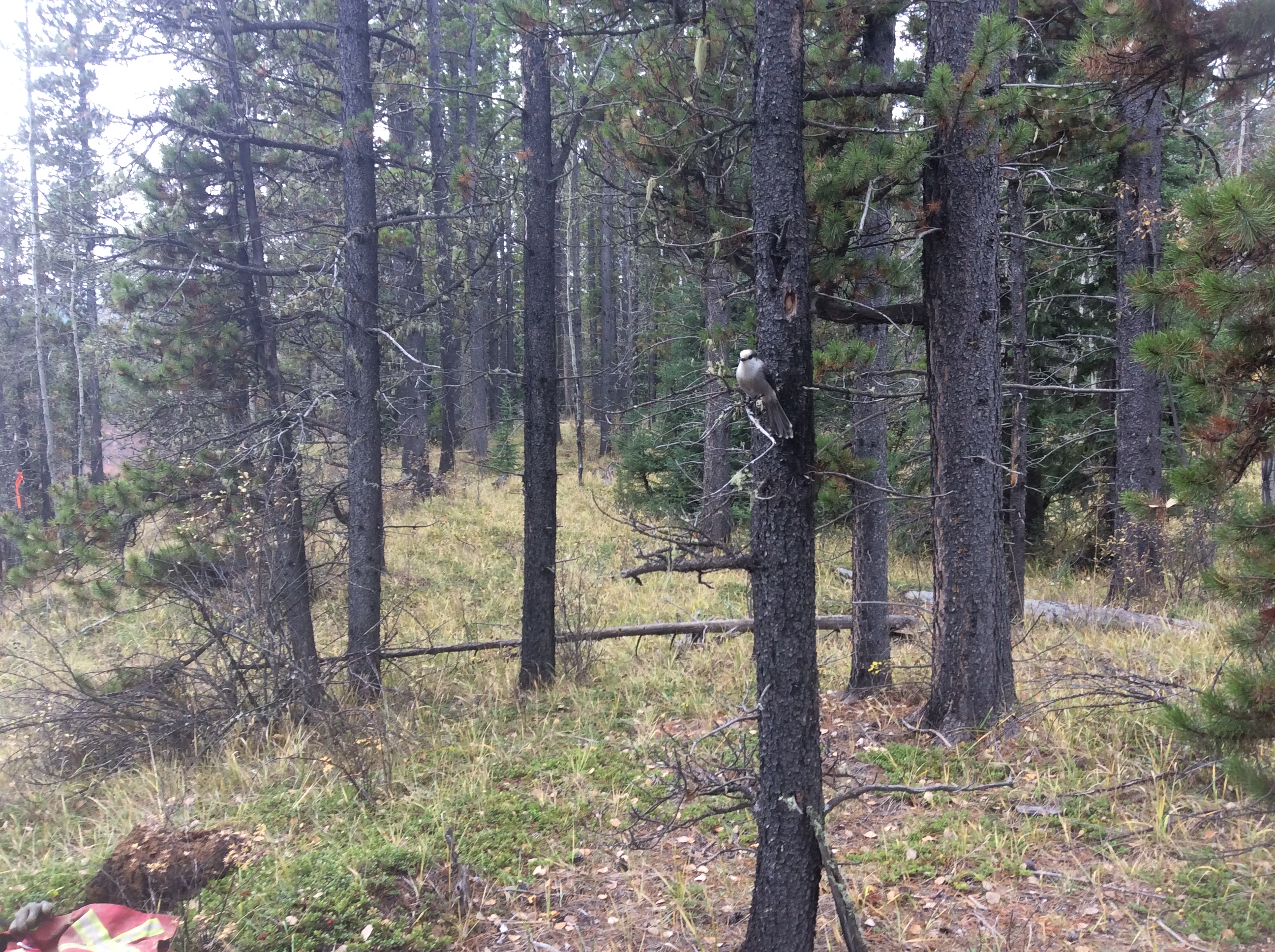
Whiskey Jacks stick around all winter too, even incubating their eggs as temperatures dip to -30°C. They store their food in crevices, under lichen, and even under conifer needles. They coat the food in a saliva, called bolus, which makes it sticky, ensuring the food doesn’t move until the Whiskey Jack returns. Unlike forgetful squirrels, these birds will remember exactly where they left their caches! Their food is a variety of arthropods (like spiders), small mammals, ticks, carrion, fungi, fruits, and seeds. The average life span is about 8 years, although the oldest recorded Whiskey Jack was 17 years old!
What bird would you have voted for?
Related Posts

By Fallon Hardie
March 20, 2026
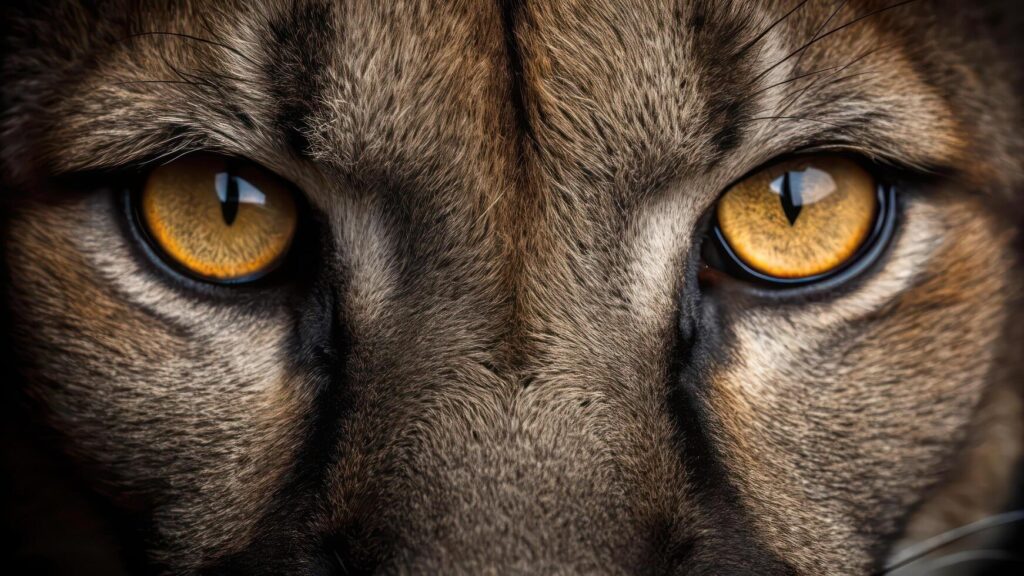
Fight or Flight: Lessons Learned From a Cougar Encounter, Part II
Continuing the Conversation In February 2026, Fallon Hardie (Jr. Field Director, Ember) met with Kim Titchener (President and Founder, Bear Safety & More Inc) to discuss the 2024 encounter. The interview covered the increasing challenges of cougar encounters in Alberta, predator / prey behaviour dynamics, the criticality of expert training based on current data, and
Keep Reading
By Fallon Hardie
May 19, 2025
Fight or Flight: Lessons Learned From a Cougar Encounter
Fight or Flight: Lessons Learned From a Cougar Encounter While completing Historic Resource Impact Assessments (HRIA) in the Lower Eastern Foothills of Alberta during the Summer of 2023 (maybe mid-July or August), I experienced something allegedly unlikely: a cougar encounter. Like any professional working in the wilderness, I have completed numerous Bear Safety and Wildlife
Keep Reading
By Braedy Chapman
July 2, 2023
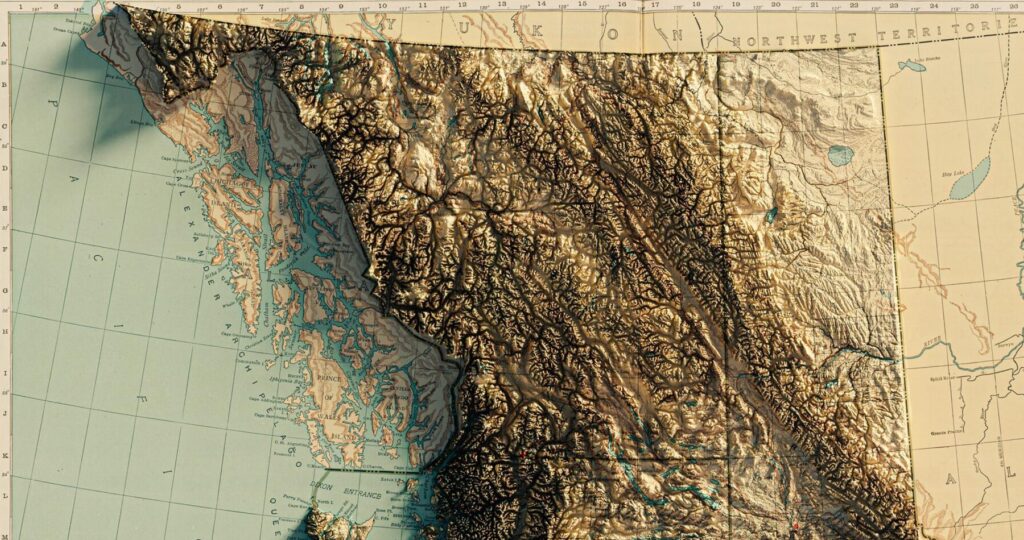
Top sites of 2022, BC edition
Field operations in British columbia 2022 marked Ember Archaeology’s first year of significant field operations in British Columbia. Our BC crews conducted a number of sizable wildfire-related projects for the BC Ministry of Forests over the course of the season, ultimately surveying hundreds of kilometers of constructed fireguards and fuel reduction developments. These were nearly
Keep Reading