
Post Category : Field Life Method & Theory
Sanisera Archaeological Institute 2025 Bioarchaeology Field School

By Ember Archaeology Team on October 27, 2026
Jerez de la Frontera
Modern Context
The picturesque city of Jerez de la Frontera, located in southern Spain, is famous for its sherry, horses, and beautiful historic architecture. From my personal experience and extensive sampling, I can attest that the sherry distilleries truly deserve their reputation! Additionally, for enthusiasts of medieval Catholic architecture or those with a passion for history, the historic churches offer an enriching day spent on a walking tour of the city.
It has been nearly a year since I enjoyed a cold cerveza on a patio in Jerez during a hot Spanish evening. To evoke that feeling as I write this, I find myself on my balcony in Edmonton on a hot afternoon, sipping a non-alcoholic beer and hoping my laptop doesn’t overheat—an unexpectedly effective way to transport myself back to my time in Jerez.

Iglesias San Miguel
The Cathedral
In the late spring of 2025, I traveled to Spain to participate in the Sanisera Archaeological Institute’s bioarchaeology field school, where we would excavate the crypt beneath the Iglesias San Miguel. This church was originally constructed in the late 1400s, as confirmed by a plaque on its main door dated to the year 1484. The full completion of the cathedral we see today took several centuries, and in the 16th century, a crypt was established in the church’s subsoil for parishioners to be interred.
The Crypt
To access the crypt, we needed to find the original entrance, which had been sealed off by a slab of concrete and fresco, now integrated into one of the church’s modern back halls. The first three days of the field school were spent excavating buckets upon buckets of dirt, along with countless displaced bone fragments, from the original stairway entrance leading down into the crypt. Following that, we spent two additional days sifting through more buckets of dirt and bone fragments within the crypt’s tunnels to reach up to three rows of inhumation graves located within the tunnel walls. My CRM days, filled with digging shovel tests and backfilling mitigation units, was truly paying off. Finally, just under halfway through the scheduled time of the field school, we gained access to the crypt and began examining the skeletal remains within. “This is where the real excitement began“, I reminded myself.
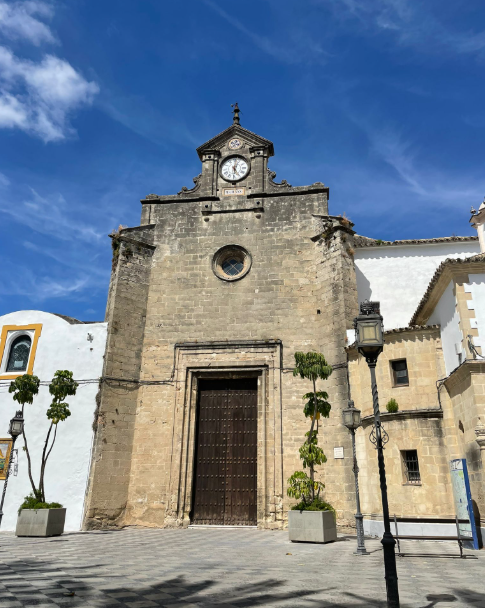
A Complex Series of Maneuvers
Problem Solving
In some respects, I was correct. However, we were just on the brink of learning how much more complex the situation was about to become. Such is the nature of archaeology.
According to historical records, the crypt had been ransacked by French soldiers during Napoleon’s conquest of Europe. By the time we reopened it, many graves had already been disturbed. The combination of humidity and past looting left many individuals within the inhumations only marginally intact – moving them risked the immediate disintegration of anything that seemed even somewhat preserved. Since one of the primary objectives of the field school session was to teach students forensic analysis methods and pathology identification (notably tuberculosis and osteoarthritis, among others), we needed to devise a method for exhuming remains without causing additional damage or disarticulation.

Solutions
This led to a complicated series of maneuvers, in which I, along with four fellow students, the session instructor, and his assistant, had to carefully slide a thin aluminum sheet – cut to match the width and depth of the grave – underneath the individuals remains, and then slide it back out again. To give readers a clear visual, it’s essential to include the following details:
Conditions in the Crypt
- The tunnels of the crypt were dimly lit.
- Standing at the center of the tunnel, I could touch the walls with the tips of my fingers when spreading my arms wide.
- The aluminum sheet extended about three feet longer than the width of the crypt tunnel, making the angles for removal tight and awkward, especially with a 5-foot-something skeleton perched on top.
Safety Measures
For your peace of mind, we wore personal protective equipment (PPE) that included:
- N95 masks to guard against dust and other particles in the air
- Coveralls
- Headlamps
- Hardhats
- Cut-resistant gloves
The Environment
To fully grasp the situation, it’s essential to know that the temperature outside the crypt was a sweltering 38 degrees Celsius, and it was even hotter and more humid inside. The entire process took approximately 45 minutes, but it felt as if it lasted for hours.
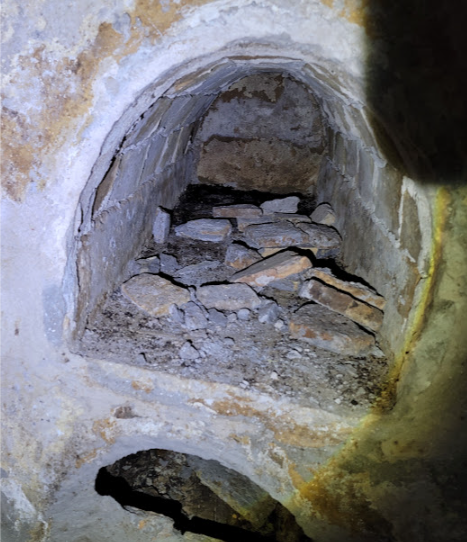
The Outcome
Post-Exhumation
Once we successfully exhumed the skeletal remains from the crypt and brought it to the lab, we did our best to keep them articulated. However, due to the condition, we were unable to conduct any analysis regarding the individual’s cause of death, speculate on any potential ailments, determine their age, or even attempt to ascertain the sex of the remains. The skull was shattered into numerous fragments and, to make matters worse, had become crystallized. The bones were damp and porous, and drying them overnight proved ineffective. The last days of the field school session were spent in the classroom, with our friend from the crypt respectfully laid on a table beside us, as we discussed what we might have learned under ideal levels of preservation.
The Final Day
On the final day of our session, we reinterred the remains with as much grace as we had during exhumation. That afternoon, after the bars reopened following the owner’s siesta, my classmates and I visited a patio just around the corner from our apartment. A refreshing breeze swept in, wicking the sweat from our skin, while the streets bustled with people going in and out of bars, restaurants, and running errands. We raised our glasses in a toast to the individual from whom we had hoped to learn more but could not. Yet, we did glean some insights from this experience: archaeology and forensics are not always clean and meticulous, and we won’t always uncover the answers we wish or anticipate.
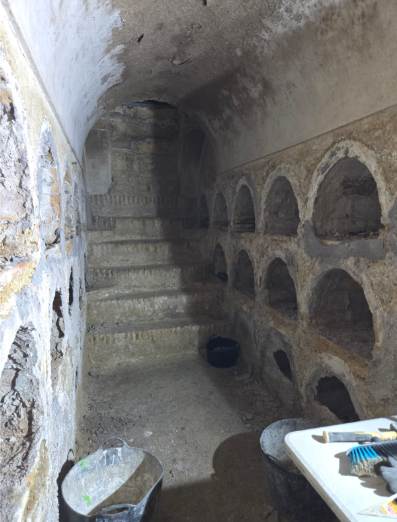
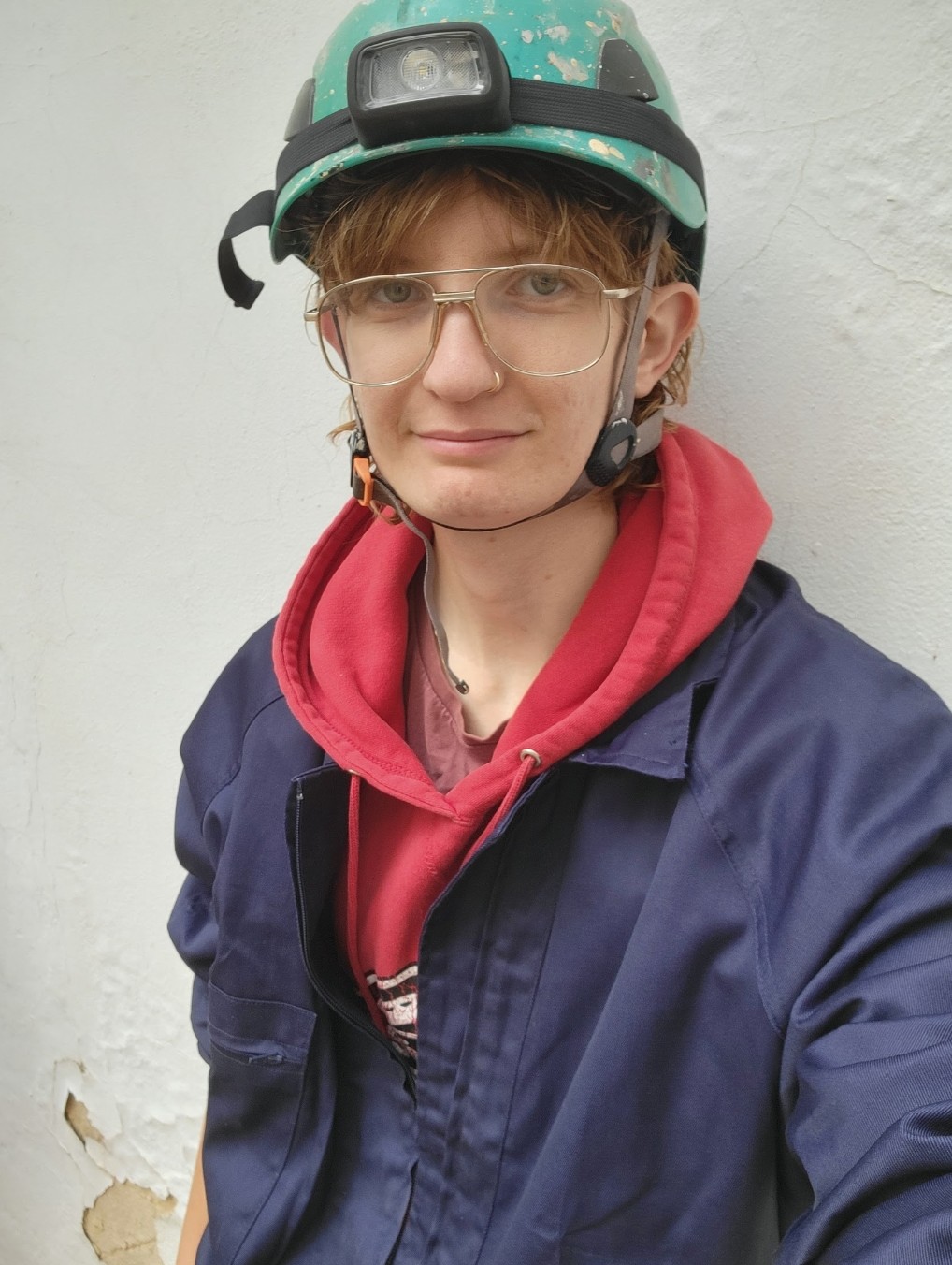
Isabelle Jensen
Seasonal Field Technician & Crew Lead
Related Posts

By Hailey Kennedy

August 6, 2026
The Archaeology of Kintsugi
What is Kintsugi? Kintsugi (gold joinery), is a term often used to refer to the Japanese method of mending objects by combining lacquer or adhesive with liquid gold or other precious metals. Today, the practice is most commonly associated with ceramics as it often transforms cracked or broken vessels into works of art. Kintsugi often
Keep Reading
By Fallon Hardie

March 20, 2026
Fight or Flight: Lessons Learned From a Cougar Encounter, Part II
Continuing the Conversation In February 2026, Fallon Hardie (Jr. Field Director, Ember) met with Kim Titchener (President and Founder, Bear Safety & More Inc) to discuss the 2024 encounter. The interview covered the increasing challenges of cougar encounters in Alberta, predator / prey behaviour dynamics, the criticality of expert training based on current data, and
Keep Reading
By Fallon Hardie
May 19, 2025
Fight or Flight: Lessons Learned From a Cougar Encounter
Fight or Flight: Lessons Learned From a Cougar Encounter While completing Historic Resource Impact Assessments (HRIA) in the Lower Eastern Foothills of Alberta during the Summer of 2023 (maybe mid-July or August), I experienced something allegedly unlikely: a cougar encounter. Like any professional working in the wilderness, I have completed numerous Bear Safety and Wildlife
Keep Reading